Dive Into Coral Reef Restoration: How Students Help Rebuild Coral Reefs
By: Chelsey Thwaites, Program Director March 13, 2026 High School Adventures, Middle School, Marine Biology
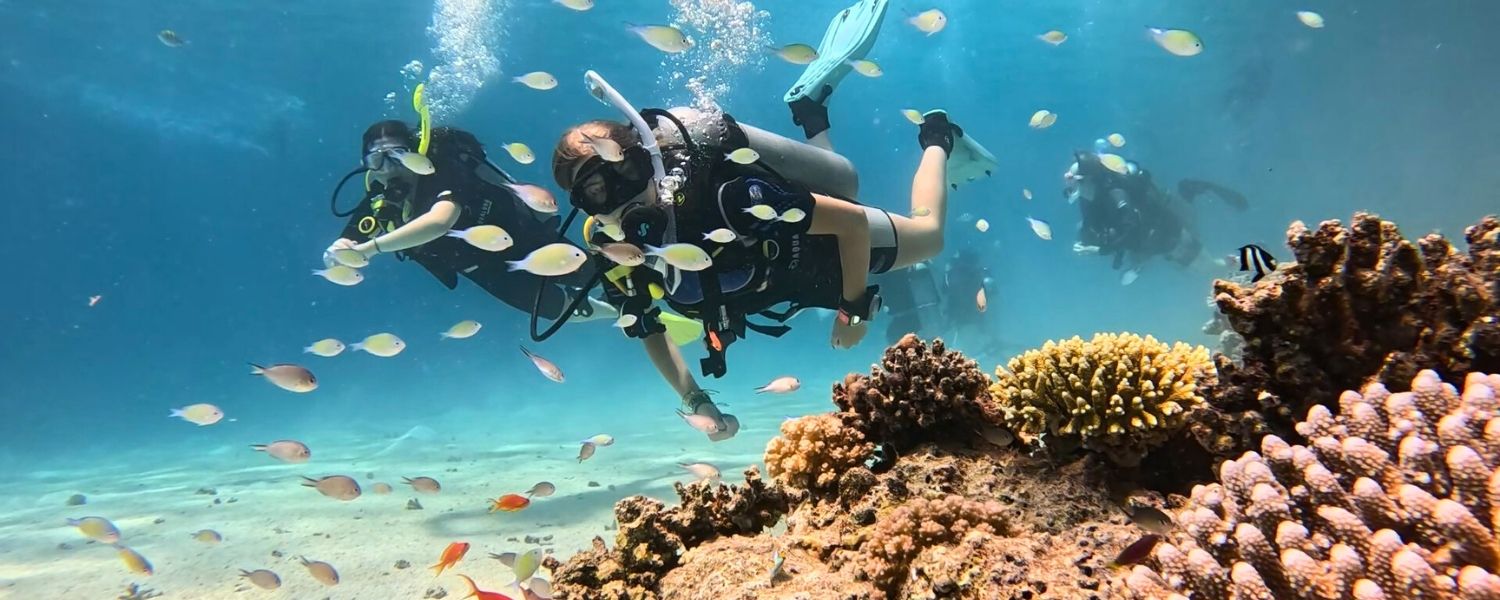
Coral reefs are among the most important ecosystems in the ocean, which is why coral reef restoration and coral reef conservation have become major priorities for marine scientists worldwide. Coral reefs are often called the rainforests of the sea—and for good reason. These vibrant underwater ecosystems are home to an incredible diversity of life, from colorful reef fish and sea turtles to sharks and countless microscopic organisms. In fact, nearly 25% of all marine species depend on coral reefs for food, shelter, and survival.
But coral reefs do more than support marine life. They also protect coastlines from storms, sustain fisheries, and support local economies around the world.
Unfortunately, reefs are under threat. Rising ocean temperatures, pollution, and human activity are putting many coral ecosystems at risk. The good news? Coral conservation and restoration efforts are making a real difference—and students can be part of the solution.
On select Broadreach marine science and scuba programs, students work alongside marine conservation professionals to help restore and protect coral reefs while gaining firsthand experience beneath the surface.
Why Coral Reefs Matter
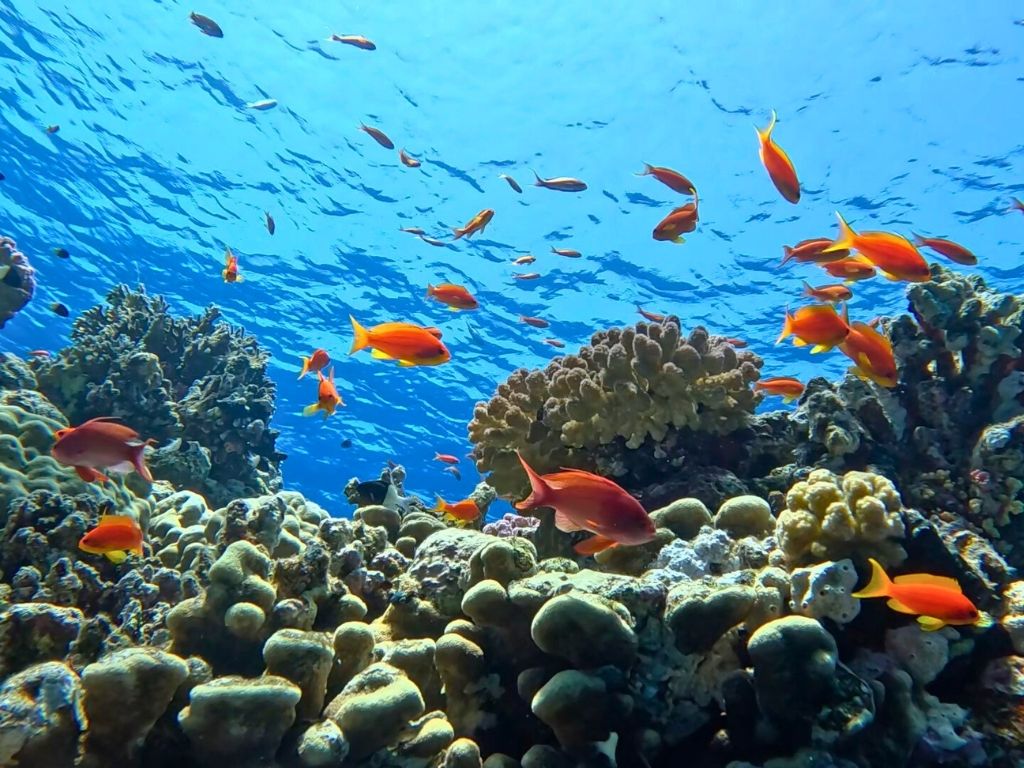
Healthy coral reefs are essential to the health of our oceans.
These ecosystems:
Provide habitat for thousands of marine species
Protect coastlines from erosion and storm damage
Support global fisheries and food security
Drive billions of dollars in tourism and recreation
When reefs decline, the ripple effects impact marine life, coastal communities, and the broader ocean ecosystem.
That’s why coral conservation has become one of the most important priorities in marine science today.
What’s Harming Coral Reefs?
Despite their importance, coral reefs face several growing threats.
Rising Ocean Temperatures
Warmer water can cause coral bleaching, a stress response where corals expel the algae (zooxanthellae) that provide them with color and nutrients. Without these algae, corals weaken and may die if conditions don’t improve.
Ocean Acidification
As the ocean absorbs increasing levels of atmospheric carbon dioxide, seawater becomes more acidic. This makes it harder for corals to build their calcium carbonate skeletons.
Pollution and Human Impact
Runoff, plastic pollution, overfishing, and poorly managed coastal development can damage reef ecosystems and slow their ability to recover.
Because of these challenges, active coral restoration projects are becoming increasingly important around the world.
Coral Restoration in Action: Broadreach Programs
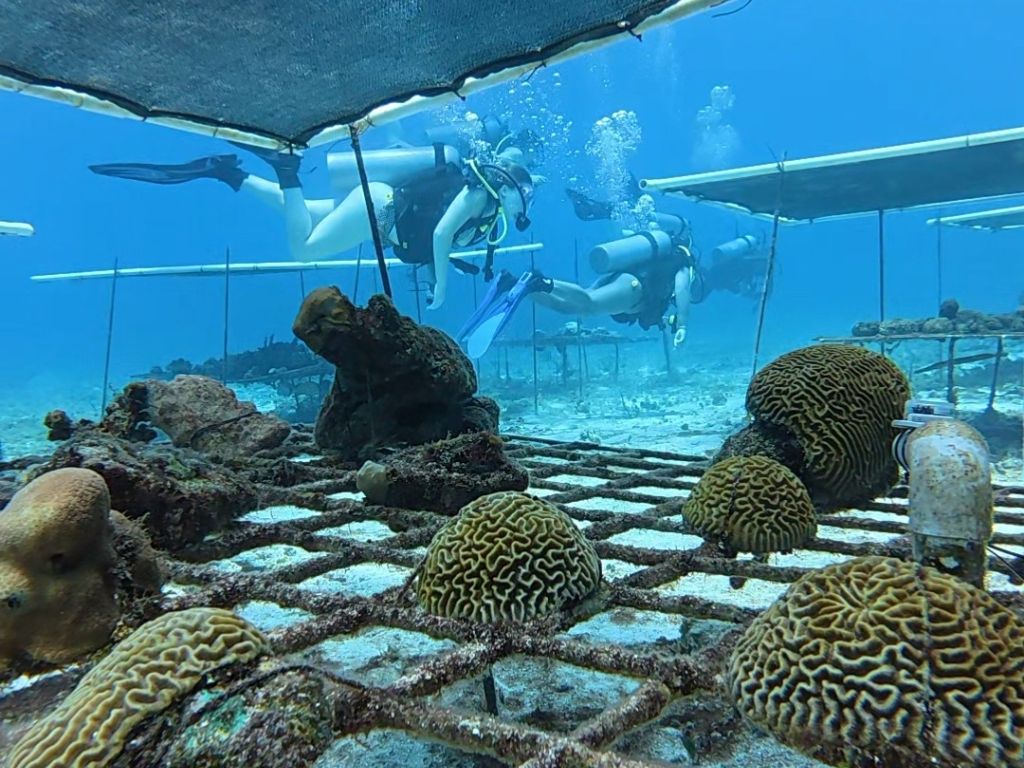
On several Broadreach programs, students don’t just learn about coral conservation—they participate in real restoration projects alongside marine scientists and dive professionals.
Here’s how students get involved in coral restoration efforts in some of our Caribbean programs:
Bonaire: Coral Restoration Through Scuba
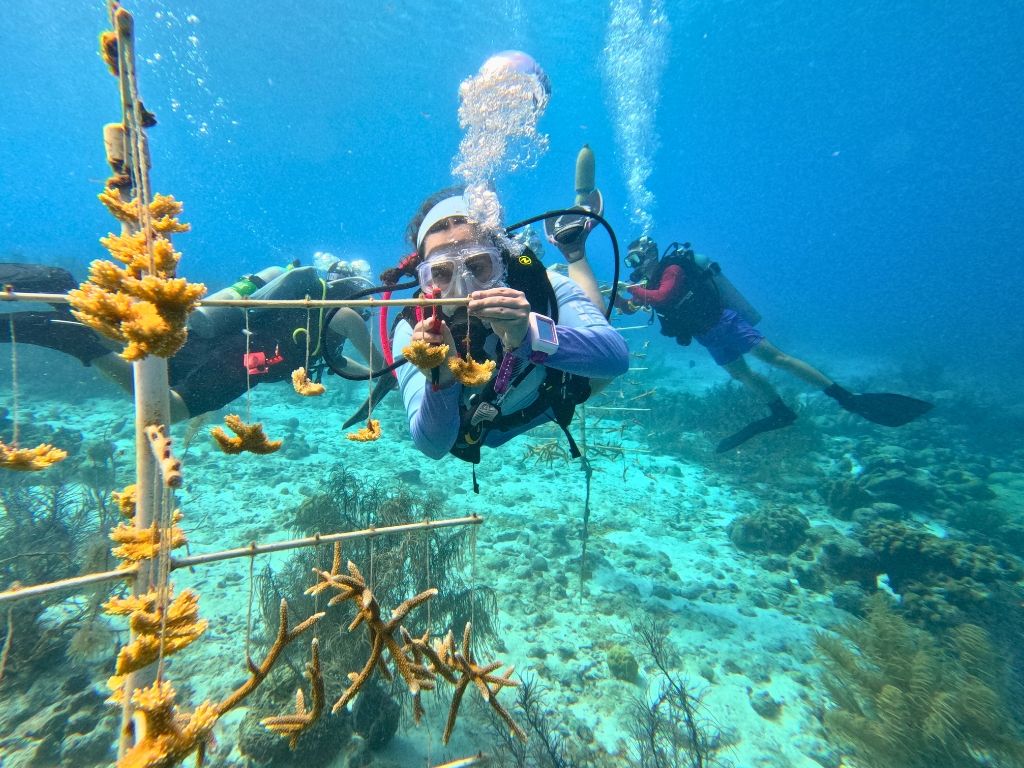
In Bonaire, our middle school scuba program gives students hands-on experience with coral restoration techniques used by marine conservation organizations around the island. You’ll learn how to:
- Grow new coral by breaking healthy coral into pieces and placing them in underwater nurseries.
- Keep coral nurseries clean so they stay healthy and grow faster.
- Plant grown coral back onto the reef to help it recover.
Middle schoolers will also earn the PADI Reef Renewal Diver Distinctive Specialty, the only Broadreach middle school program that offers this certification!
Even if you’re on our high school advanced scuba Bonaire Rescue Diver trip, you’ll still have the chance to clean coral nurseries and learn about marine conservation. It’s an unforgettable way to combine scuba training, marine science, and conservation work.
Curaçao: Caring for Coral Nurseries
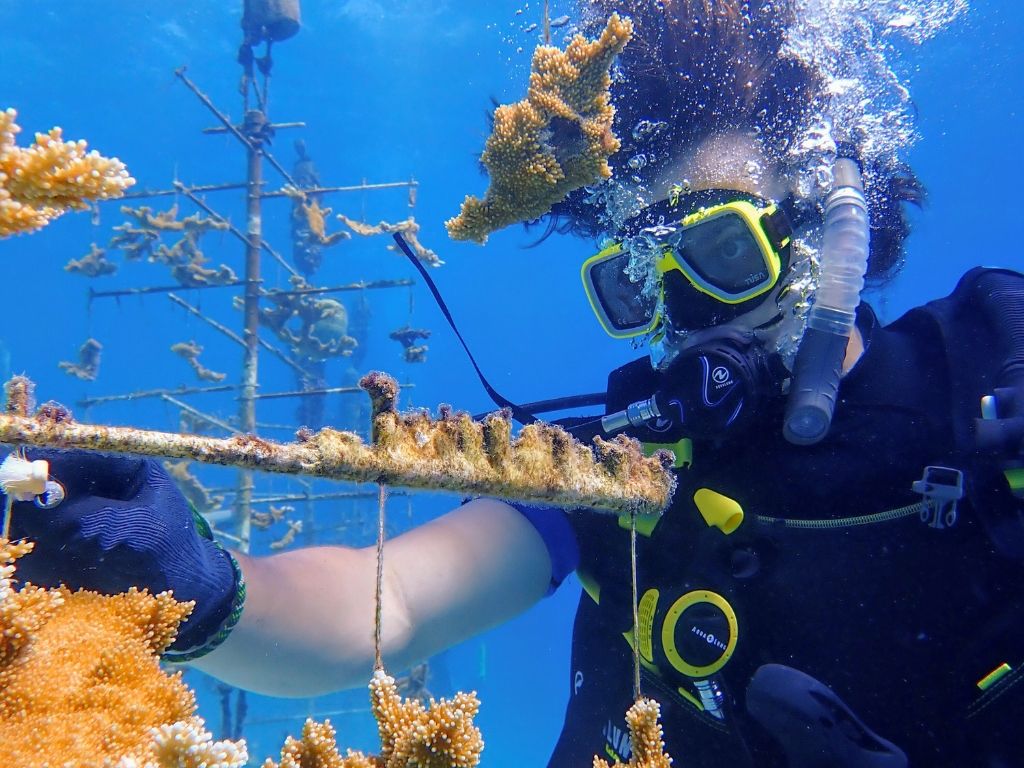
In Curaçao, students participate in coral restoration dives and workshops focused on rebuilding reef habitats.
Activities may include:
Cleaning and maintaining underwater coral nurseries
Assisting with transplanting coral fragments onto degraded reefs
Learning how marine scientists monitor coral health and reef recovery
These experiences help students understand how restoration projects can rebuild damaged ecosystems and strengthen the resilience of coral reefs.
Yucatán Peninsula: Coral Conservation and Coastal Ecosystems
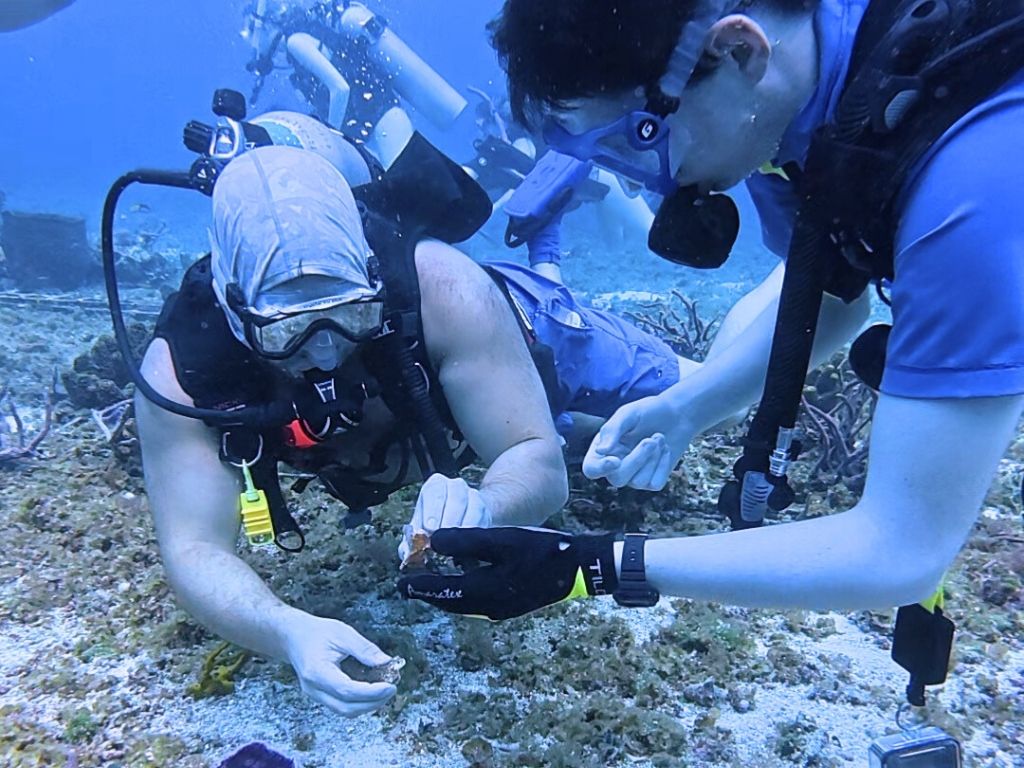
On our Ocean Conservation program in Mexico’s Yucatán Peninsula, students explore one of the world’s most important reef systems—the Mesoamerican Barrier Reef.
Here, conservation work may include:
Assisting with coral restoration projects
Learning how mangroves and seagrass beds support reef health
Studying the interconnected ecosystems that protect coral reefs
Students see firsthand how marine conservation projects protect both coral reefs and the coastal environments that depend on them.
Join the Next Generation of Ocean Stewards
Coral reefs are facing unprecedented challenges—but there is also incredible progress happening through research, restoration, and conservation.
Programs like Broadreach give students the opportunity to:
Learn scuba diving and marine science skills
Participate in real coral restoration efforts
Gain a deeper understanding of ocean ecosystems
Contribute to meaningful conservation work
Most importantly, students come away with a new perspective on the ocean—and the knowledge that their actions can help protect it.
Ready to explore the reefs and make a difference? Join a Broadreach program and experience coral conservation firsthand.