Broadreach sea turtle and marine conservation adventures take students beyond simply seeing wildlife. Explore sea turtle biology, conservation and the ecosystems these animals depend on through hands-on learning, fieldwork and unforgettable adventure.
Love sea turtles? There’s more than one way to build your summer around them. Whether you want hands-on conservation, intensive scuba diving or a deeper understanding of marine ecosystems, these Broadreach adventures let you explore sea turtles and the habitats they depend on from a different perspective.

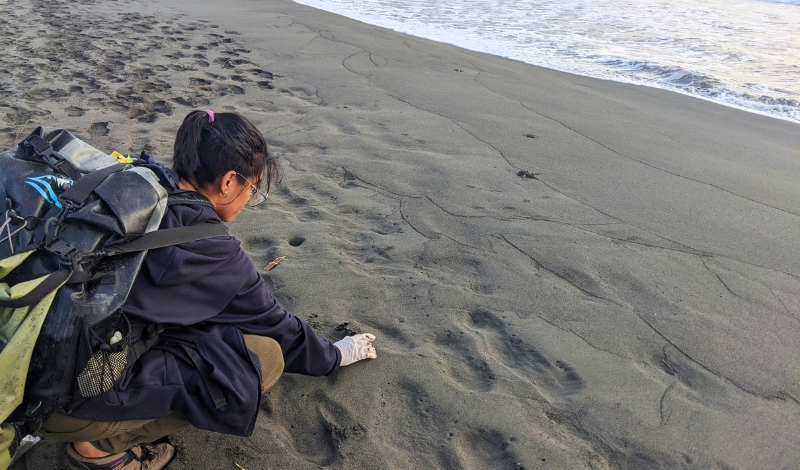
Make sea turtles a central focus of your summer. Work alongside conservationists, learn about turtle biology and ecology, contribute to hands-on fieldwork and explore Costa Rica’s incredible wildlife along the way.
Explore Costa Rica Sea Turtles + Conservation
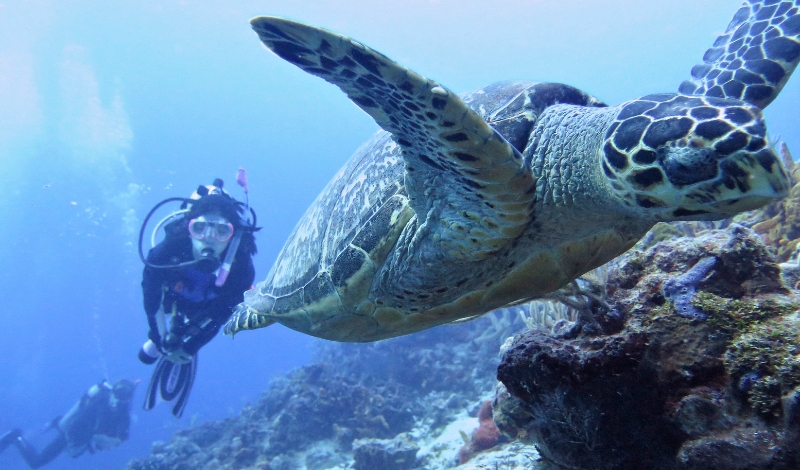
Take conservation underwater. Combine scuba diving with sea turtle and reef conservation while learning how healthy marine ecosystems support turtles and countless other species.
Explore Yucatán Ocean Conservation
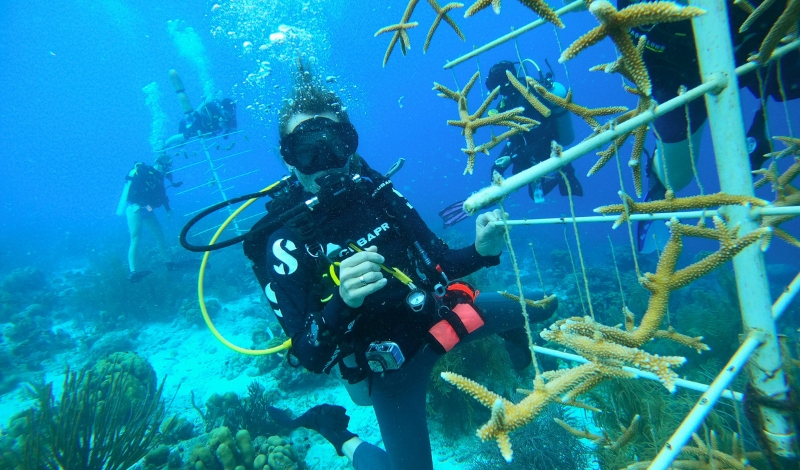
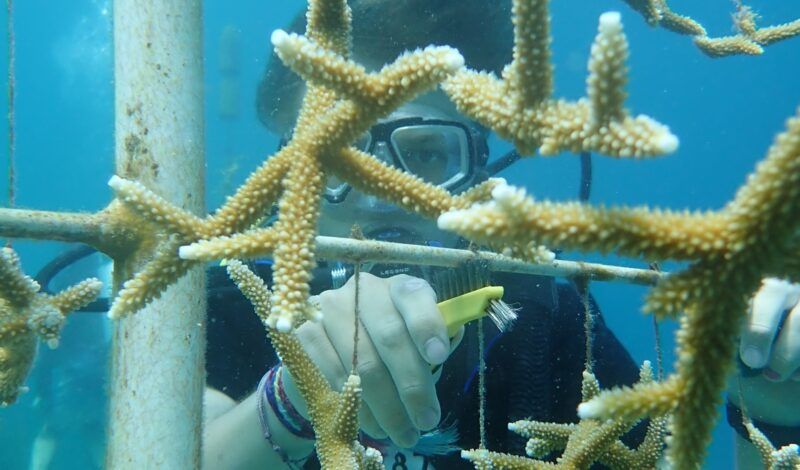
Go beyond a single species to explore the science of tropical marine ecosystems. Study marine biology in the field, investigate reef ecology and take part in coral restoration while discovering the wildlife that depends on healthy oceans.
Explore Curaçao Marine Biology
Designed for middle school divers ready for their next challenge, this adventure combines advanced scuba training with a deeper look at coral reefs, sea turtle ecology and Bonaire’s protected marine environment.
Explore Bonaire Coral DiversTell us a little about what you’re looking for and we’ll help you find the right Broadreach program.
Compare trip length, age requirements, scuba prerequisites, dates and more to find the experience that fits you best.
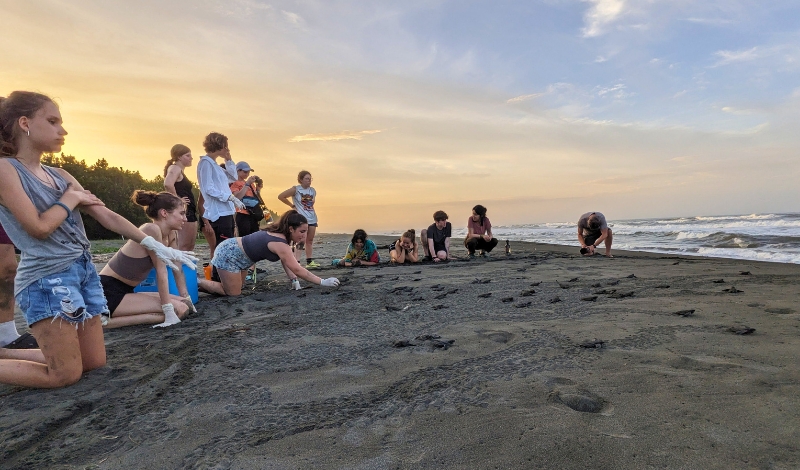
Adventure into the rainforest. Cruise the beach for signs of sea turtles. Protect exotic wildlife. Experience conservation in action.
2027 Programs | ||
| June 18 - July 1, 2027 | $5,780 | Available |
| July 5 - July 18, 2027 | $5,780 | Available |
Live at a research station. Investigate the health of coral reefs while completing dozens of shore dives. Explore Curacao above and below the water.
2027 Programs | ||
| June 18 - July 7, 2027 | $8,230 | Available |
| July 11 - July 30, 2027 | $8,230 | Available |
Learn first-hand what it takes to design and implement a conservation project start-to-finish as you assist with real-world projects in Mexico’s Yucatan region!
2027 Programs | ||
| June 21 - July 8, 2027 | $7,380 | Available |
| July 11 - July 28, 2027 | $7,380 | Limited |
Level up your diving in the world’s oldest marine reserve in this advanced land-based scuba adventure! Become an Advanced Open Water diver while learning about corals and exploring the island through hiking, land sailing, and a donkey sanctuary.
2027 Programs | ||
| July 17 - July 28, 2027 | $5,280 | Available |
Learn the Science
Explore sea turtle biology, behavior, ecology and the challenges these species face.
Put It Into Practice
Take learning out of the classroom through field-based conservation, data collection and real-world projects.
Understand the Ecosystem
Discover how reefs, beaches and other marine habitats support sea turtles and the wildlife around them.
Take Your Learning Further
On select high school programs, students can earn natural science college credit while learning in the field.
All the adventure of teen travel. A lot more depth.
Broadreach students don’t have to choose between an incredible summer adventure and meaningful academics.
Turn field-based conservation and marine science into natural science college credit on select high school programs.
Apply what you’re learning through real-world research, conservation projects and exploration.


Protect the animals: Understand turtle biology, behavior and conservation.
Protect their habitats: Explore the reefs, beaches and ecosystems turtles depend on.
Understand the bigger picture: See how environmental change and conservation decisions affect marine life.
Costa Rica Sea Turtles + Conservation
“I chose to attend a Broadreach summer program because of their amazing locations and because the programs are focused on specific areas of interest. I want to go into marine biology and they offered ones that allowed me access to working with biologists in the field all while gaining hands-on experience. One aspect that stood out from the other programs was the same size of groups and that for no extra cost we were able to receive college credits. My family loved that they offered email updates, that included letters and pictures about our trip.” Brendan, Costa Rica Sea Turtles alum
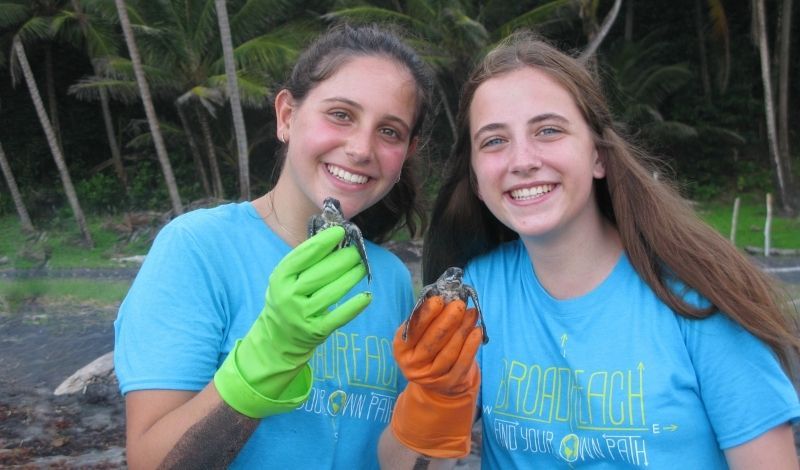
Activities vary by program and location, but students may take part in hands-on conservation work such as sea turtle tagging, nest patrols, nest exhumations, hatchling releases, and collecting data on adult turtles and hatchlings. These experiences give students a closer look at how researchers and conservationists study and protect sea turtle populations.
Costa Rica Sea Turtle + Conservation offers our most sea turtle-focused experience. Sea turtle conservation is central to the program, giving students the chance to learn about turtle biology and ecology while participating in hands-on fieldwork alongside other Costa Rican wildlife and adventure experiences.
Yes. Students participating in the high school conservation and marine biology programs featured on this page can earn college credit, combining hands-on field experiences with meaningful academic learning.
No prior experience is required for most of the programs featured here. Students joining Yucatán Ocean Conservation must already hold a PADI Open Water Diver certification or equivalent. Other programs have their own age and experience requirements, which are listed on each program page.
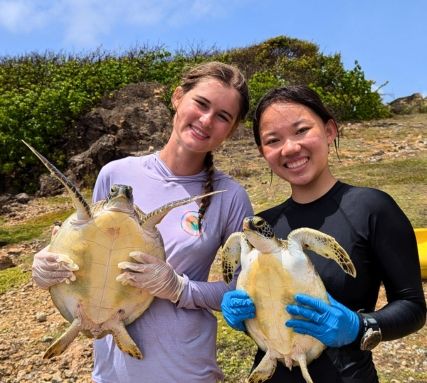
Yes. Bonaire Coral Divers is a great option for middle school students interested in marine biology and marine conservation. Students explore coral and sea turtle ecology as part of a broader scuba and marine science experience, although sea turtles are not the exclusive focus of the program.
Sea turtle sightings are likely on several of these programs, and some trips include fieldwork focused specifically on studying turtles. However, sea turtles are wild animals, and as with any wildlife experience, we can’t guarantee a particular sighting or encounter. That unpredictability is also part of what makes working in real-world conservation so meaningful.
A sea turtle conservation program focuses more on sea turtles themselves: their biology, behavior, nesting, research and conservation. A marine biology program takes a broader look at the entire marine ecosystem, exploring topics such as coral reefs, fish, invertebrates and other marine life alongside sea turtles.
Both offer hands-on learning, but the best fit depends on whether a student wants to go deep into sea turtle conservation specifically or explore marine science more broadly.