Snorkel Gear vs. Dive Gear: What’s the Difference and What Do You Need for an Advanced Dive Program?
By: Chelsey Thwaites, Broadreach HQ June 2, 2026 High School Adventures, Middle School, Parents, Scuba
If you’re heading out on one of our Broadreach advanced dive adventures, you’re already taking your scuba training to the next level.
But before you hit the water, it’s important to understand the difference between snorkel gear and dive gear — and what you’ll need to bring with you.
🤿The Essentials You Bring: Mask, Snorkel, Fins (also known as MSF)
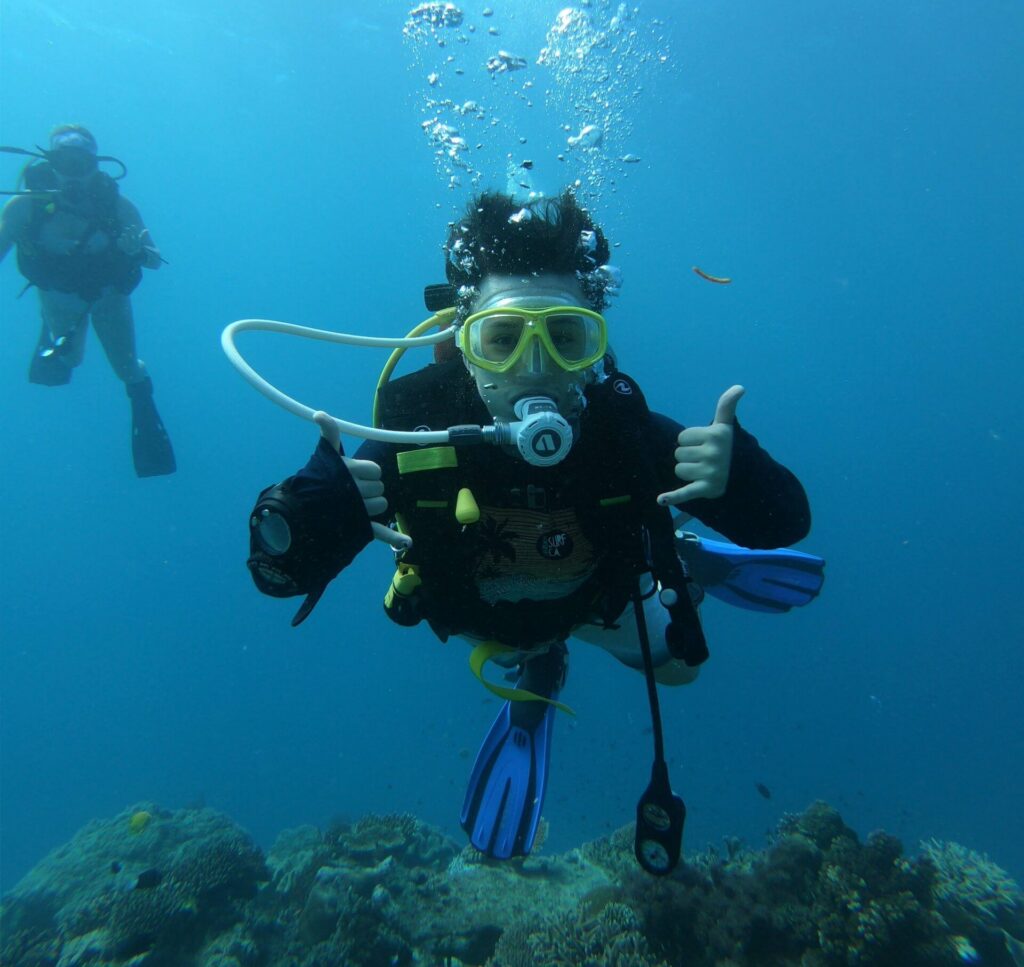
All students on our advanced programs are required to bring their own mask, snorkel, and fins. These are personal-fit items that make a huge difference in your comfort and confidence in the water.
⚓Dive Mask vs. Snorkel Mask: Why It Matters
You might already have a mask from a beach trip or a snorkel tour — but not all masks are created equal.
A dive mask is specifically designed to handle the pressures of deeper water. It includes:
- Tempered glass lenses for safety under pressure
- A nose pocket for equalizing as you descend
- A strong, durable skirt to maintain a tight seal
In contrast, a snorkel mask (especially the full-face type) is made for surface use. It can’t equalize and won’t hold up at depth — which can be uncomfortable and even unsafe on a dive.
If you’re joining us for scuba, make sure you’re investing in a proper dive mask.
🐟Do Mask Lenses Really Matter?
Yes — but the most important factor is your comfort and fit.
Different lens styles offer different benefits underwater, and choosing the right one depends on your personal preferences and needs:
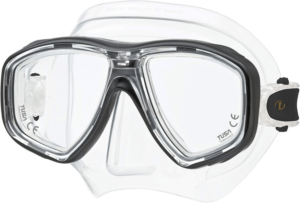 Dual Lens Masks
These typically have a lower internal volume, which makes them easier to clear — a great perk for newer divers. They’re also the go-to style if you need prescription lenses. Brands like Tusa and Scubapro make excellent options in this category.
 Single Lens Masks
Want a wide, uninterrupted view of the reef? Single lens masks give you a clear line of sight without a frame bridge in the center, making it easier to maintain binocular vision. The Oceanic Shadow is a solid favorite here.
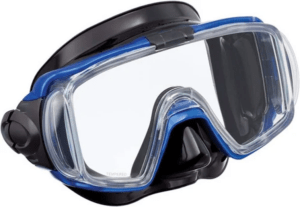 Tri Lens Masks
These feature a large front lens with side windows for extra peripheral vision. The result? A more open, panoramic feel that helps you stay aware of your surroundings.
Check out our recommended dive masks on our storefront.
🐠Fins: The Power Behind Your Kick
Fins are one of the most important pieces of dive gear you’ll bring — they turn your legs into an efficient propulsion system, help you control your movement, and can even impact your air consumption. But not all fins are created equal.
🐟Snorkel Fins vs. Scuba Fins
If you’ve snorkeled before, you may already have fins — but snorkel fins are not built for scuba diving.
- Snorkel fins are generally shorter, lighter, and designed for surface use. They’re easy to travel with and provide just enough propulsion for floating on the surface.
- Scuba fins, on the other hand, are longer, stiffer, and built for power and control at depth. They help divers handle currents, descend efficiently, and move with less effort underwater — all critical for safety and energy conservation.
Because Broadreach dive programs involve multiple dives a day, shore entries, and varied underwater conditions, snorkel fins simply won’t cut it. You’ll need a good pair of open-heel scuba fins, designed specifically for diving.
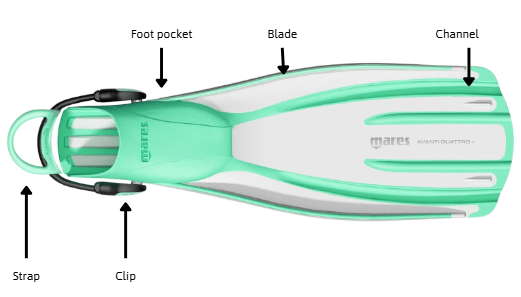
🐟Parts of a Scuba Fin
Every part of the fin works together to support your dive:
- Blade: The flat surface that generates propulsion. Some have channels or vents to guide water flow and reduce drag, increasing efficiency with each kick.
- Foot Pocket: Where your foot rests. Open-heel fins (required for Broadreach) allow for size adjustability and are worn with booties for extra protection.
- Straps & Clips: Keep your fins secure. Many divers prefer spring straps for easy donning and durability.
🐟Fin Types & Styles
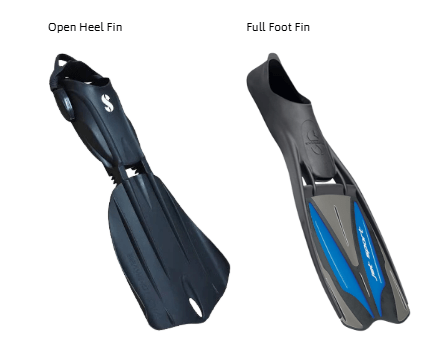
Open-Heel vs. Full-Foot
- Open-heel fins are worn with booties and adjust to fit different foot sizes — perfect for shore diving and colder waters.
- Full-foot fins are worn barefoot and suited to warm-water snorkeling or short, surface swims — not recommended for scuba.
Blade Designs
- Paddle/Long-Blade Fins: More powerful for diving in currents and open water. Great for beginners and recreational divers.
- Short-Blade Fins: Preferred by technical divers for fine control and maneuvering in confined spaces.
- Split Fins: Efficient and low-resistance — great for conserving energy, but not ideal in strong currents.

🐟Why Booties Matter
We recommend booties for all Broadreach programs, especially since we often dive from shore. Booties:
- Protect your feet from sharp rocks, hot sand, and boat decks
- Add insulation in cooler water
- Provide a snug fit with open-heel fins for better comfort and control
- Dive booties typically range from 2mm to 7mm in thickness.
- 2-3mm booties are generally sufficient for warm, tropical waters
- 5mm booties are considered ideal for moderate water temperatures
*Thicker booties will add more buoyancy to your feet
🌊Choosing the Right Pair of Fins!
- Look for fins that balance power with comfort based on your leg strength
- Make sure they’ll fit in your luggage (check length!)
- Don’t forget to break them in before your first dive day
Check out our recommended dive fins here.
⛵What We Provide: The Dive-Specific Gear
We’ll take care of the heavy-duty dive gear. On our advanced programs, we provide:
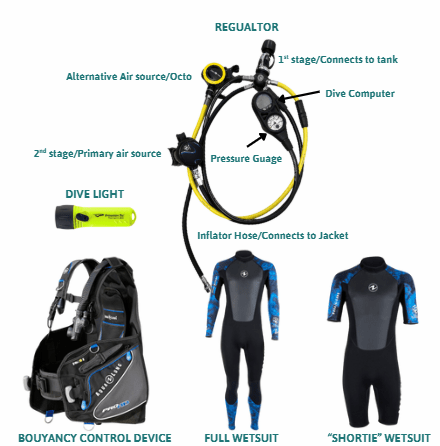
- BCD
- Regulator
- Dive computer
- Dive light
- Wetsuit
Depending on your destination, gear may be shipped to you in advance or provided on-site.
Be sure to check your packing list for the details.
🪸Gear Up for Success
Having the right gear makes all the difference. The more comfortable and confident you are with your equipment, the more you’ll get out of your dives — and the more fun you’ll have underwater.
If you’re not sure where to start, our Amazon storefront has handpicked gear recommendations that we trust and use ourselves. You can also check out your local scuba dive shop.
See you underwater!🌊✨
Ready for your ocean adventure? Check out our middle school and high school advanced scuba trips to learn more.