10 Questions to Ask when Vetting a Summer Program
By: Carley Hill, Broadreach HQ April 16, 2024 Parents
Read More
Student Perspective: Fiona Caribbean
By: Fiona, Broadreach alum April 16, 2024 Middle School, Scuba, Sailing, Marine Biology
Read More
Student Perspective: Finley Caribbean
By: Finley, Broadreach alum April 16, 2024 High School Adventures, Scuba, Sailing
Read More
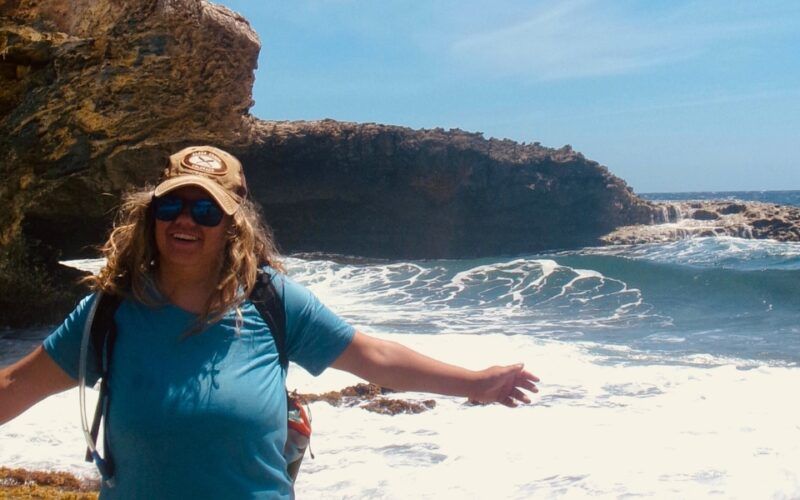
Student Perspective: Rebecca Curaçao
By: Rebecca, Broadreach alum April 16, 2024 High School Adventures, Scuba, Marine Biology
Read More
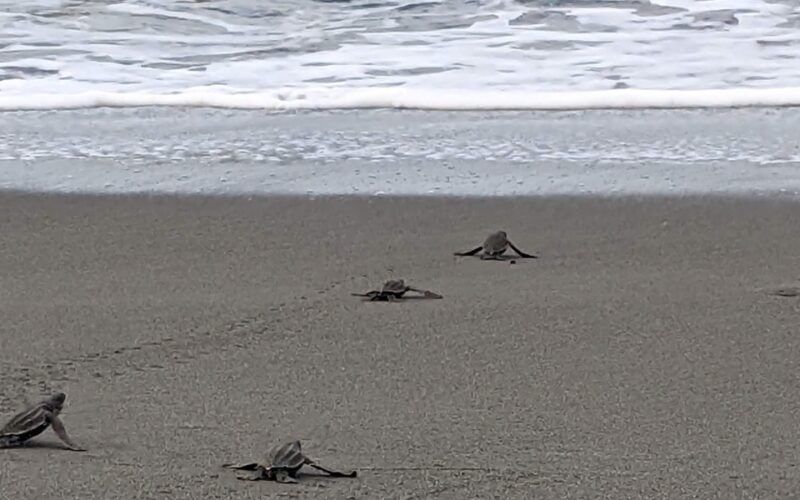
Student Perspective: Brendan Costa Rica Sea Turtles
By: Brendan, Broadreach alum April 12, 2024 High School Adventures, Marine Biology, Wildlife Conservation
Read More
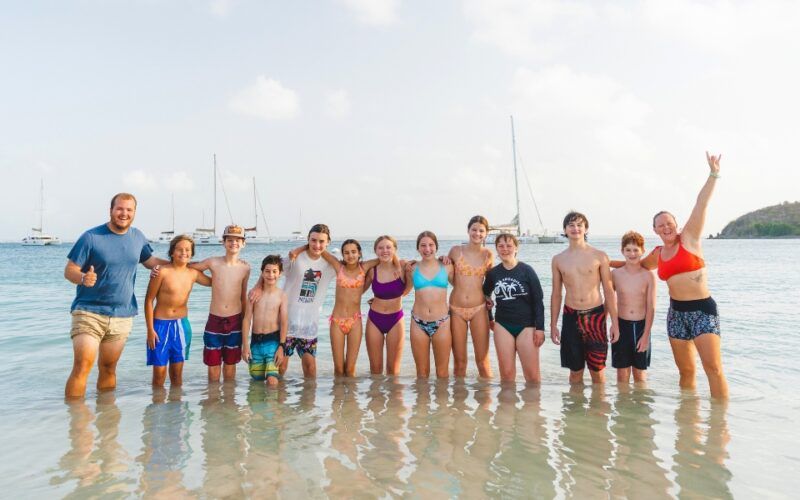
Is your student ready for Broadreach? Webinar
By: Broadreach HQ February 9, 2024 Parents
Read More
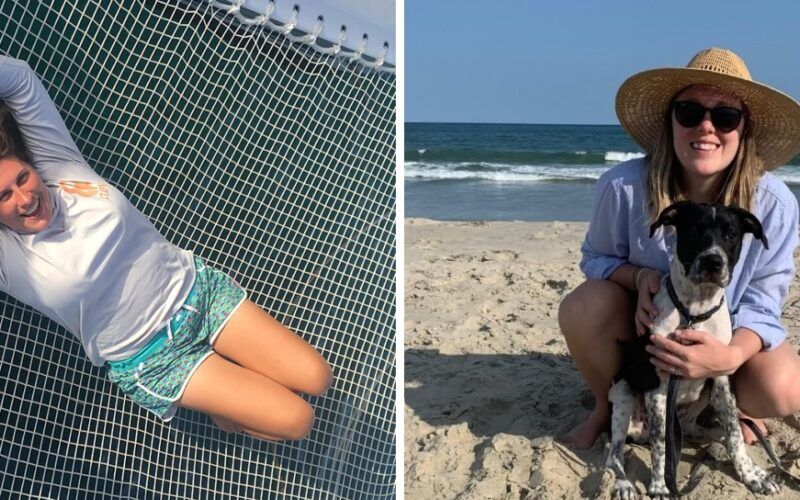
Meet our Caribbean Directors
By: Broadreach HQ January 25, 2024 High School Adventures, Middle School, Parents, Scuba, Sailing, Marine Biology
Read More

How do you prepare for your child’s first teen travel trip abroad?
By: Maggie Rougier-Chapman, Broadreach mom January 19, 2024 High School Adventures, Middle School, Parents
Read More
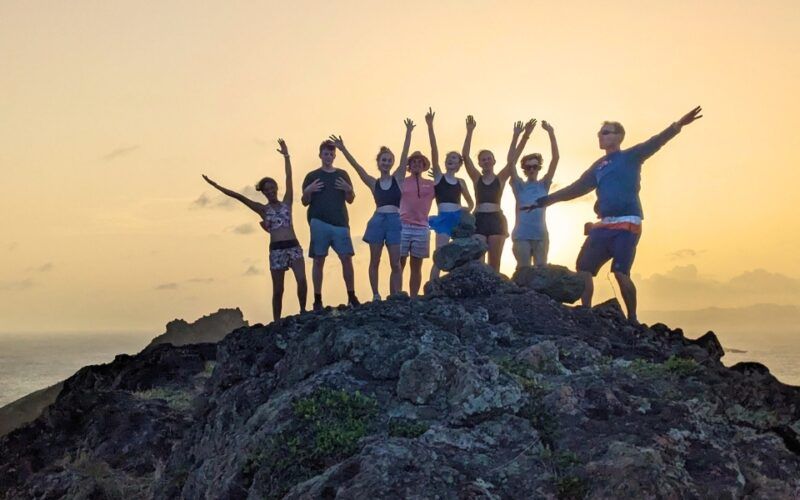
Adventure-Ready Gifts!
November 17, 2023 Parents, Scuba, Sailing, Marine Biology, Vet Medicine, Wildlife Conservation
Read More
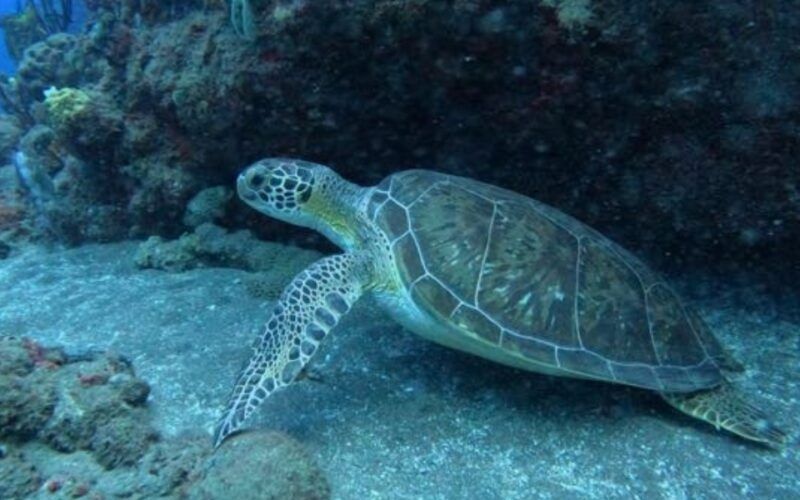
2024 Marine Biology Adventures
By: Broadreach HQ November 16, 2023 High School Adventures, Middle School, Parents, Marine Biology
Read More
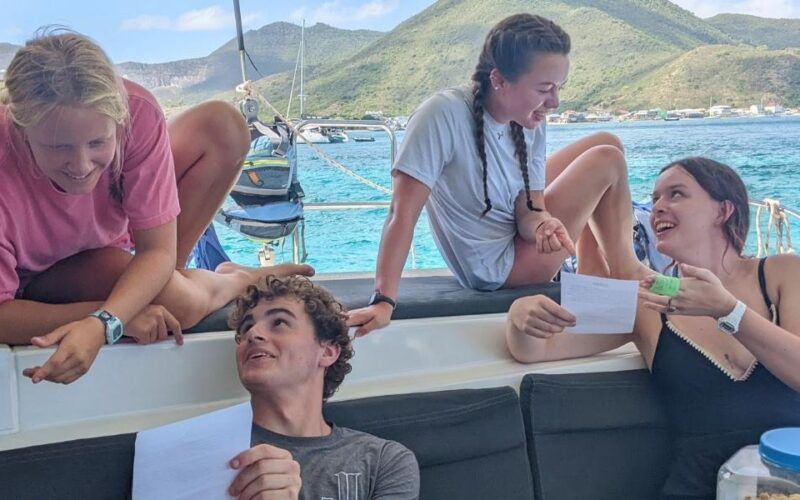
From Broadreach to College: Writing Your Essay
By: Broadreach HQ Staff August 10, 2023 High School Adventures
Read More
2023 Broadreach Student Panel
By: Broadreach HQ March 16, 2023 High School Adventures, Middle School
Read More
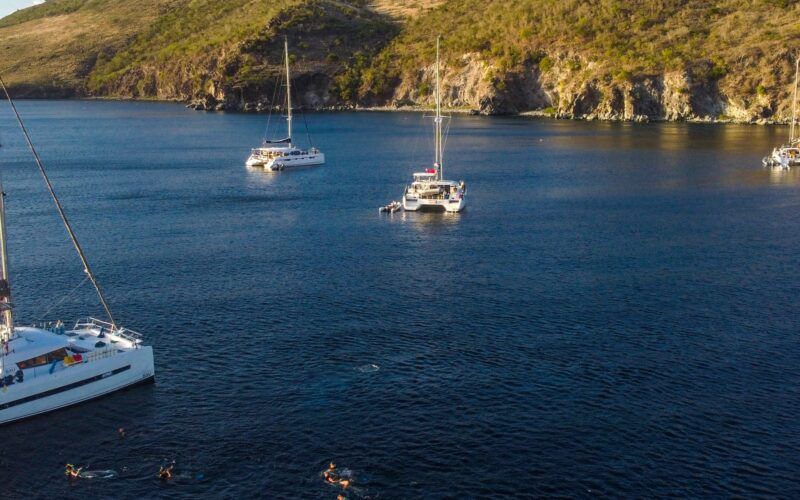
2023 Broadreach Parents Panel
By: Broadreach HQ February 16, 2023 Parents
Read More
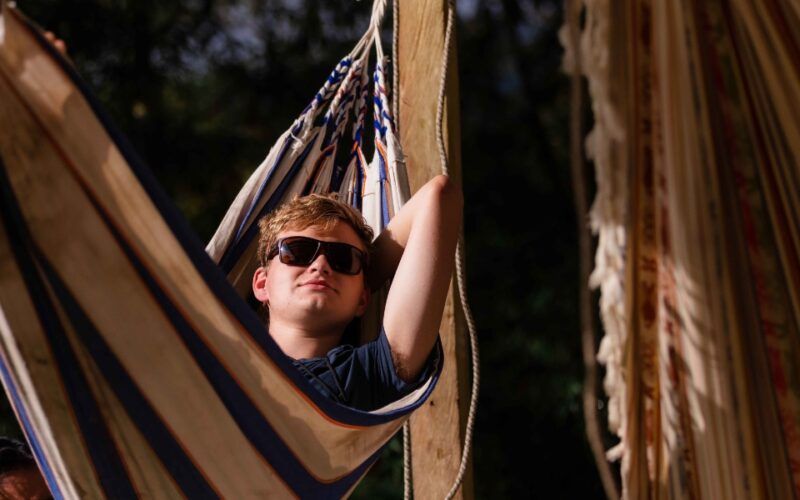
Unplug for Adventure: Why Broadreach is phone-free
By: Broadreach HQ February 1, 2023 High School Adventures, Middle School, Parents
Read More
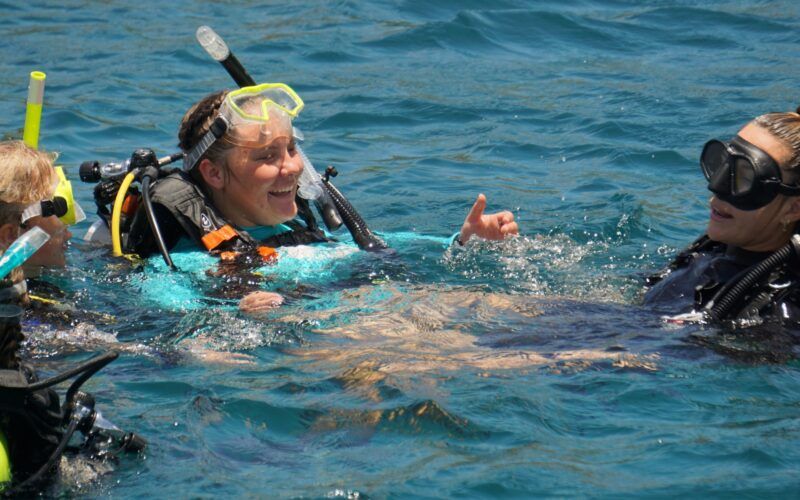
PADI Dive Certifications 101
By: Claire Hughes November 10, 2022 High School Adventures, Middle School, College, Custom Programs, Parents, Scuba
Read More
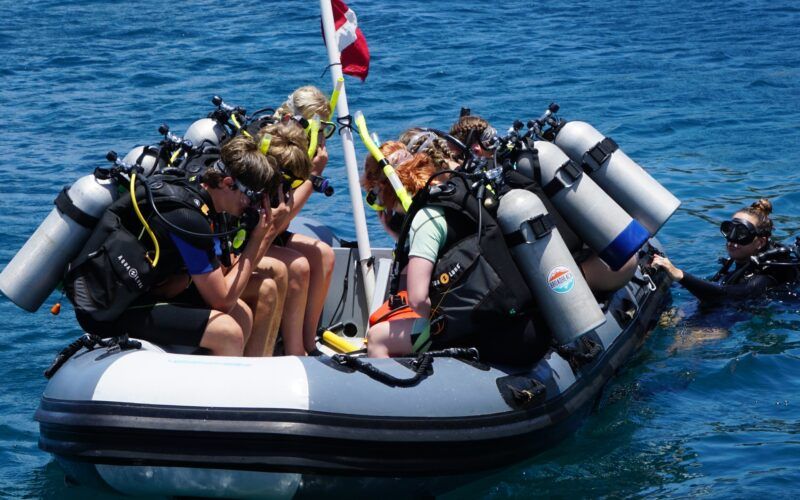
Scuba 101: Intro to Diving on Broadreach
By: Broadreach HQ November 10, 2022 High School Adventures, Middle School, Parents, Scuba
Read More
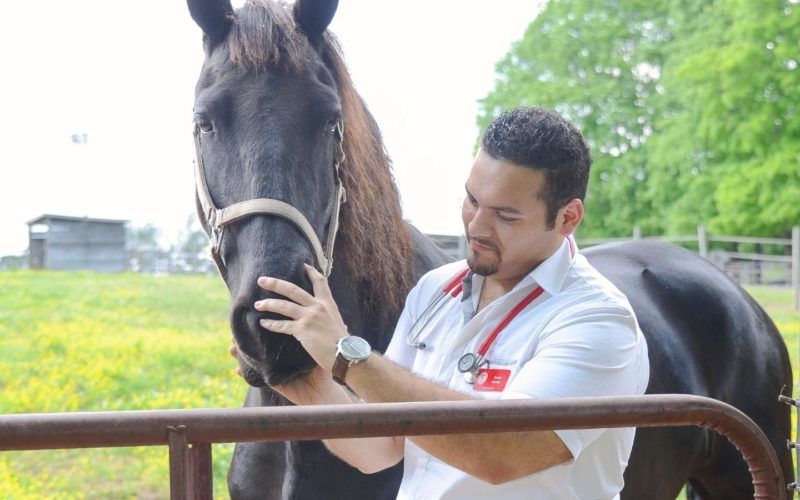
Ask a Veterinarian: Daniel Carreño
By: Dr. Daniel Carreño, DVM November 3, 2022 High School Adventures, Vet Medicine, Wildlife Conservation
Read More
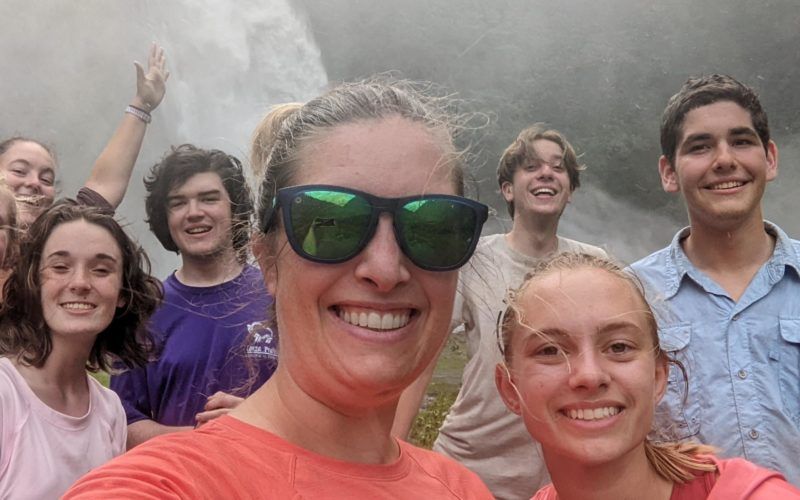
Ask a Veterinarian: Julia Bentley
By: Dr. Julia Bentley, DVM November 3, 2022 High School Adventures, Vet Medicine
Read More
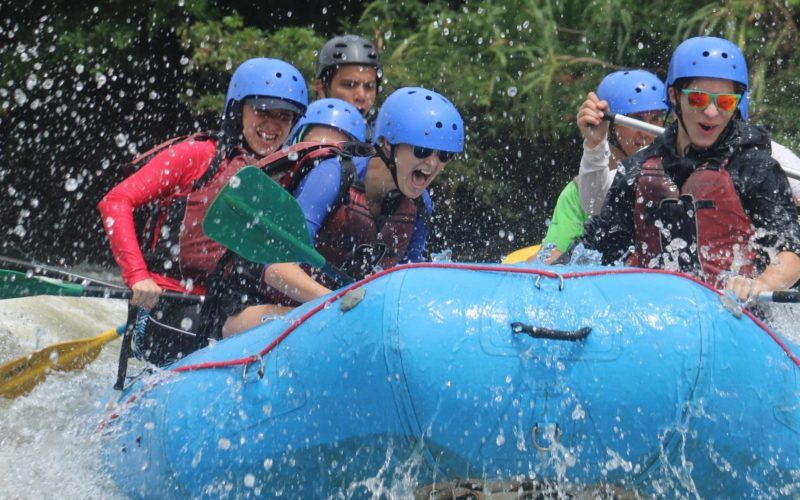
2023 Veterinary Medicine + Wildlife Conservation Adventures
By: Broadreach HQ November 3, 2022 High School Adventures, Middle School, Parents, Vet Medicine, Wildlife Conservation
Read More
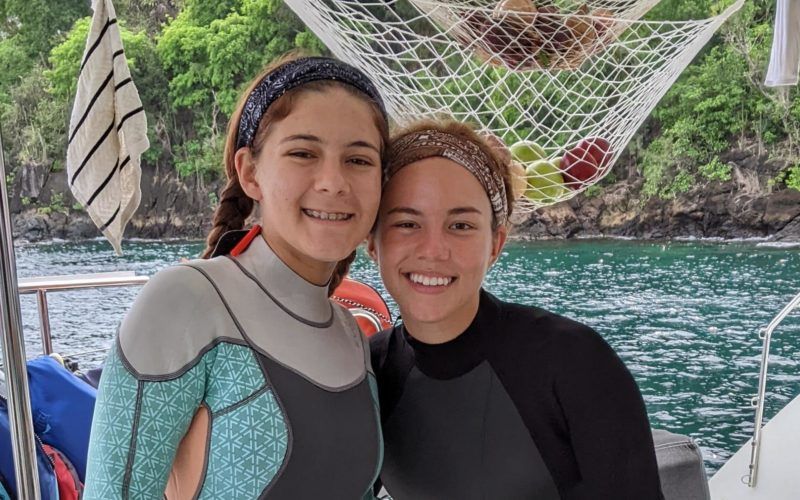
Broadreach Advanced Dive Adventures
By: Broadreach HQ October 12, 2022 High School Adventures, Middle School, Parents, Scuba
Read More
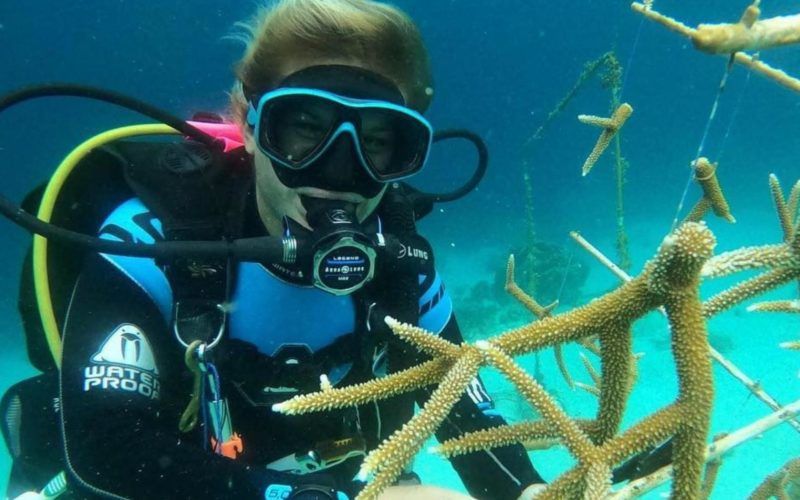
Ask a Marine Biologist: Megan Beazley
By: Megan Beazley October 7, 2022 High School Adventures, Marine Biology
Read More
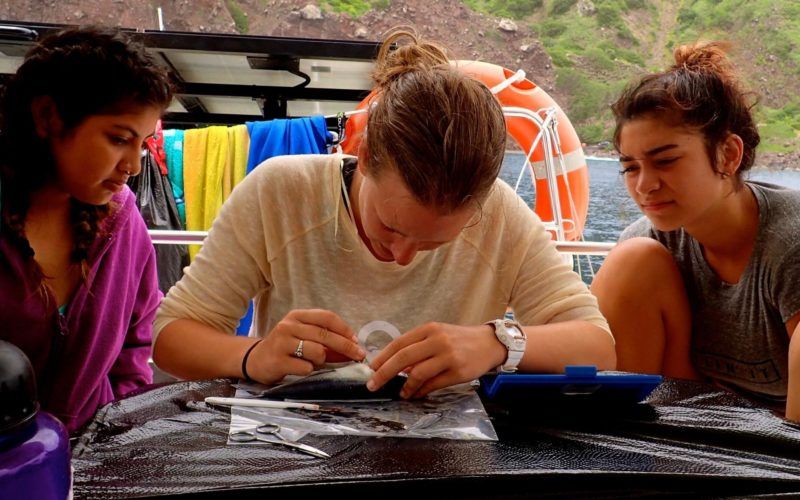
Ask a Marine Biologist: Laura McDonnell
By: Laura McDonnell October 7, 2022 High School Adventures, Marine Biology
Read More
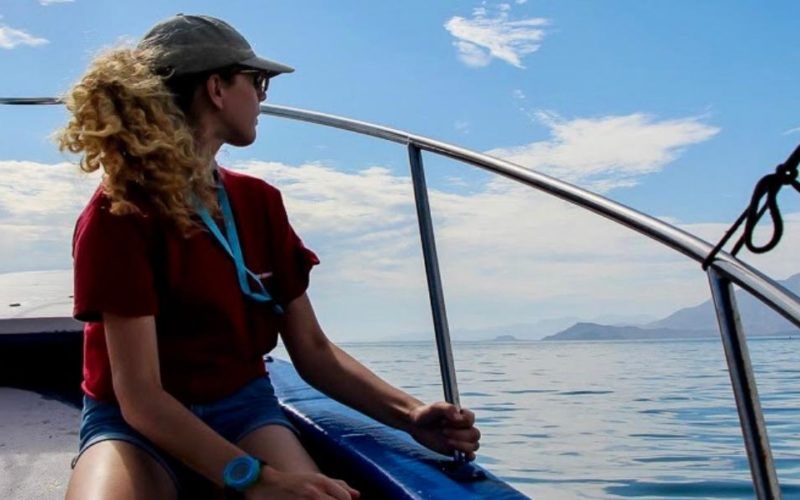
Ask a Marine Biologist: Chloe Kotik
By: Chloe Kotik October 7, 2022 High School Adventures, Marine Biology
Read More
Broadreach Marine Biology Webinar
By: Broadreach HQ March 16, 2022 High School Adventures, Middle School, Parents, Marine Biology
Read More
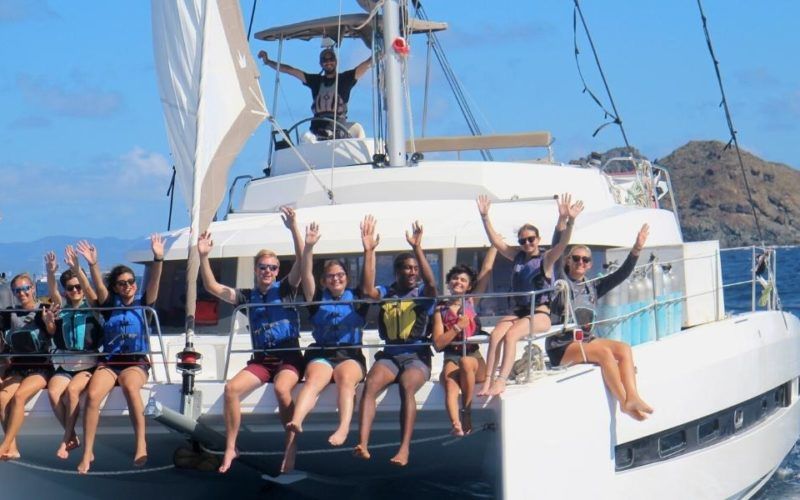
Broadreach Caribbean Dive + Sail Q&A
March 3, 2022 High School Adventures, Middle School, Parents, Scuba, Sailing, Marine Biology
Read More
Broadreach Wildlife Biology + Veterinary Medicine Adventures
By: Broadreach HQ February 24, 2022 High School Adventures, Middle School, Parents, Vet Medicine, Wildlife Conservation
Read More
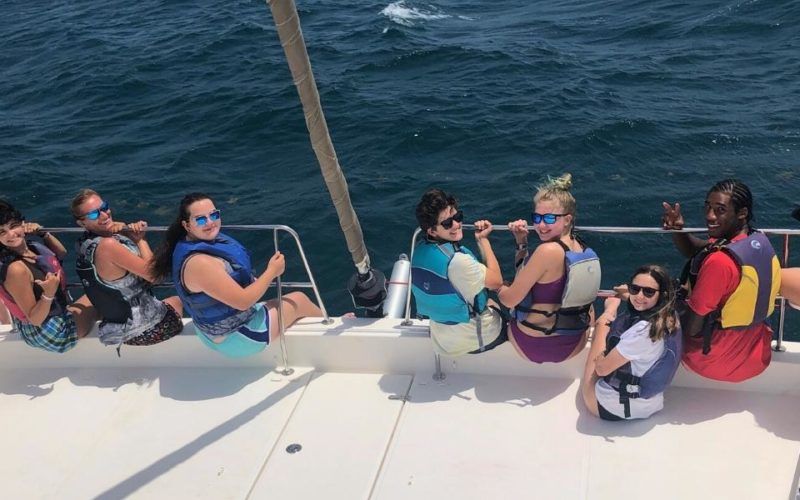
Finding the Right Broadreach Adventure
By: Broadreach HQ February 22, 2022 High School Adventures, Middle School, Parents, Scuba, Sailing, Marine Biology, Vet Medicine, Wildlife Conservation
Read More
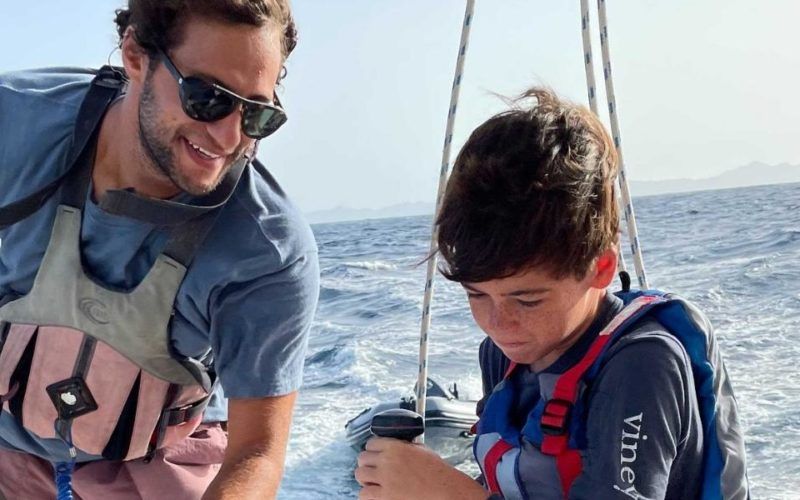
All about Broadreach adventures for middle school students
By: Broadreach HQ February 7, 2022 Middle School, Parents, Scuba, Sailing, Marine Biology, Vet Medicine
Read More
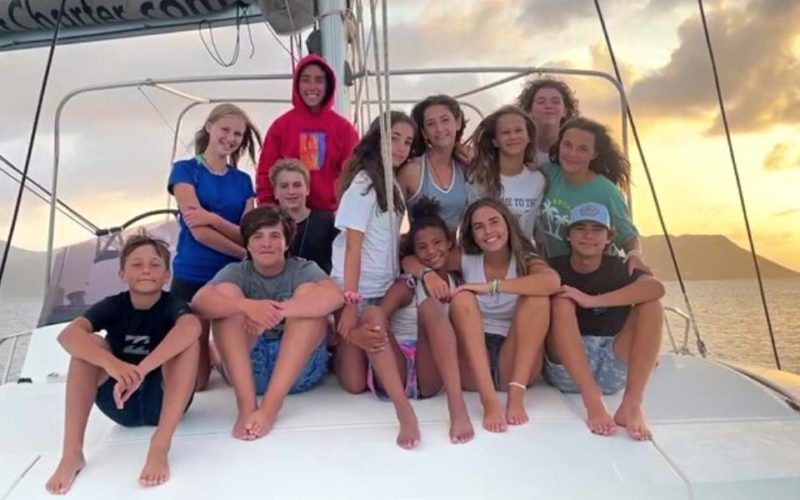
Looking Ahead to Summer 2022
By: Broadreach HQ January 21, 2022 High School Adventures, Middle School, Parents, Scuba, Sailing, Marine Biology, Vet Medicine, Wildlife Conservation
Read More
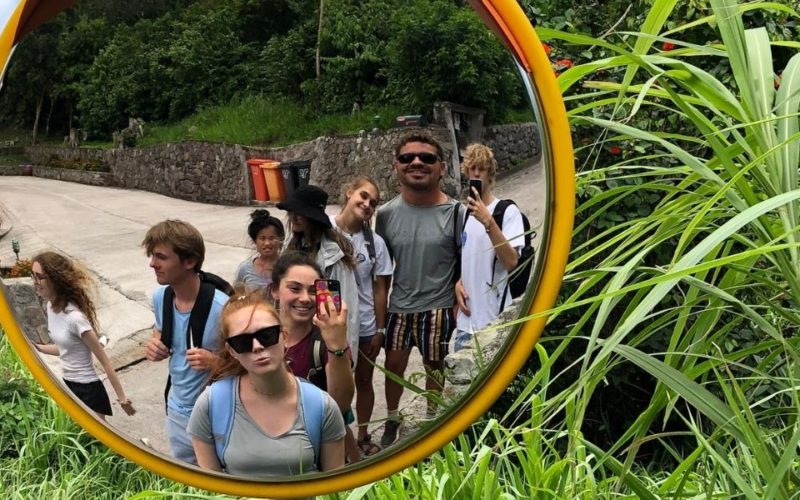
Reflecting on Summer 2021: The Magic of Broadreach
December 16, 2021 High School Adventures, Middle School, Parents, Scuba, Sailing, Marine Biology, Vet Medicine, Wildlife Conservation
Read More
Introducing our Summer 2022 programs!
By: Broadreach HQ September 23, 2021 High School Adventures, Middle School, Parents, Scuba, Sailing, Marine Biology, Vet Medicine, Wildlife Conservation
Read More
Hear from Broadreach parents about their experiences with us
By: Broadreach HQ April 22, 2021 High School Adventures, Middle School, Parents, Scuba, Sailing, Marine Biology, Vet Medicine, Wildlife Conservation
Read More
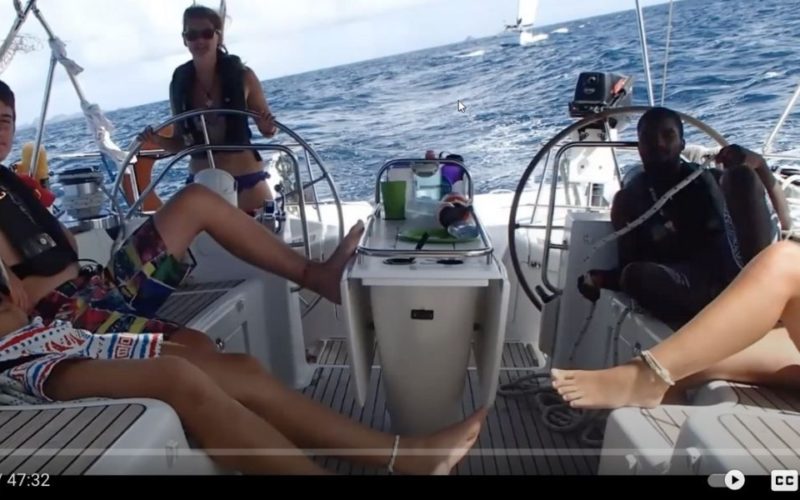
Broadreachers share stories from their past adventures
By: Kate Riley, Broadreach HQ March 16, 2021 High School Adventures, Middle School, Parents, Scuba, Sailing, Marine Biology
Read More
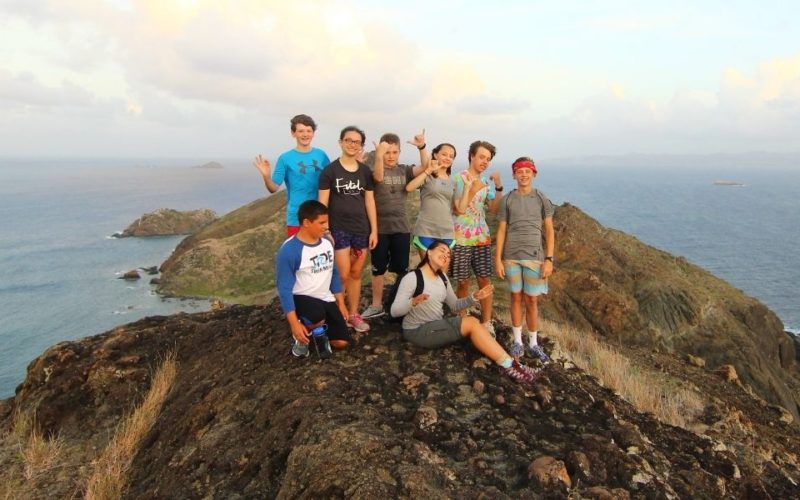
Introducing your middle schooler to the underwater world
By: Broadreach HQ March 11, 2021 Middle School, Parents, Sailing
Read More
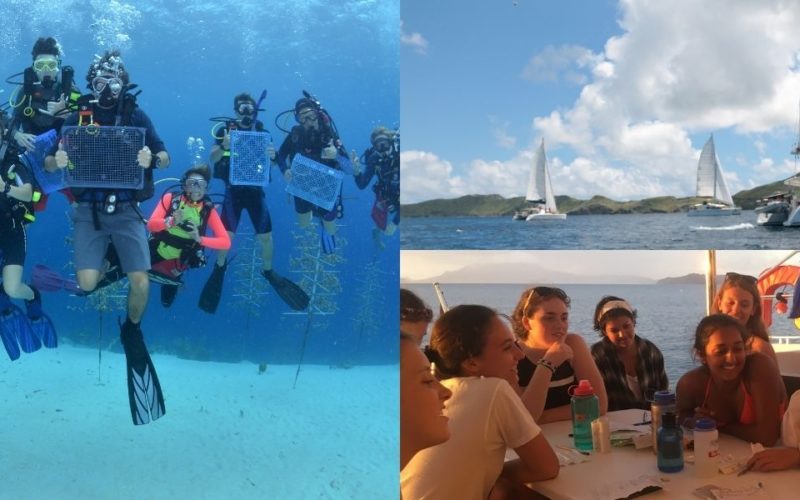
Why you should start your Broadreach journey in the Caribbean
By: Fran Jackson, Broadreach HQ March 2, 2021 High School Adventures, Middle School, Parents, Scuba, Sailing, Marine Biology
Read More
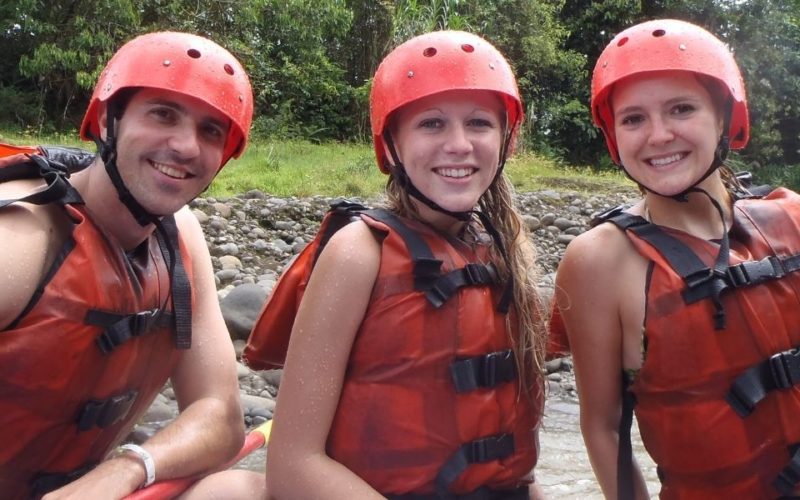
Benefits of creating a Broadreach custom program
By: Virginia Pitler, program coordinator January 27, 2021 High School Adventures, Middle School, College, Scuba, Sailing, Marine Biology, Vet Medicine, Wildlife Conservation
Read More
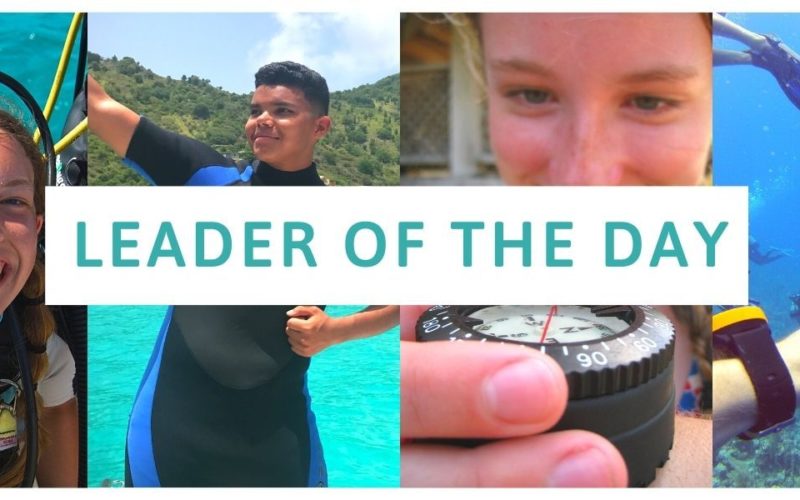
Inside scoop: Being a Broadreach program ‘Leader of the Day’
By: Broadreach HQ January 12, 2021 High School Adventures, Middle School, Parents, Scuba, Sailing, Marine Biology, Vet Medicine, Wildlife Conservation
Read More
Environmental and ocean stewardship at Broadreach
By: Fran Jackson, Broadreach HQ December 9, 2020 High School Adventures, Middle School, College, Parents, Scuba, Sailing, Marine Biology, Wildlife Conservation
Read More
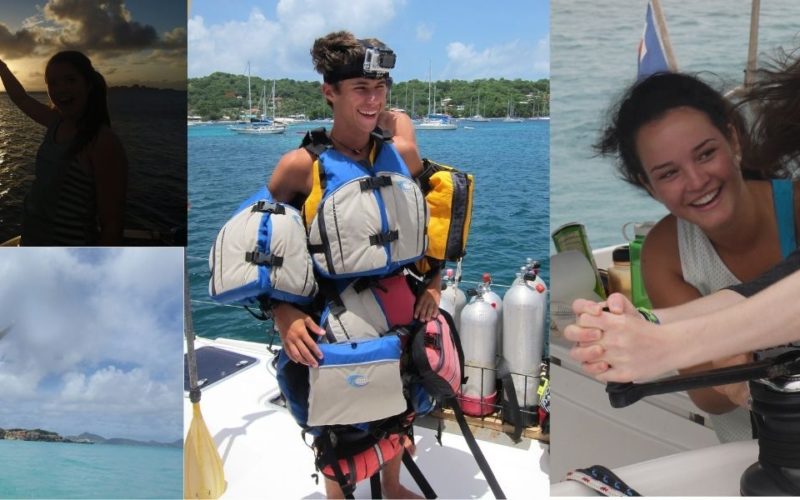
Why You Should Study Abroad on a Boat
By: Julia Zaremba, GoAbroad.com December 4, 2020 High School Adventures, Middle School, Parents, Scuba, Sailing, Marine Biology
Read More
Better Together? Symbiosis and the Human Species
By: Broadreach HQ October 26, 2020 High School Adventures, Middle School, Parents, Marine Biology, Vet Medicine, Wildlife Conservation
Read More
Advice from the ocean: A Broadreach student’s journey
By: Leah Henseler, Broadreach alumna October 12, 2020 High School Adventures, Middle School, Parents, Scuba, Marine Biology
Read More
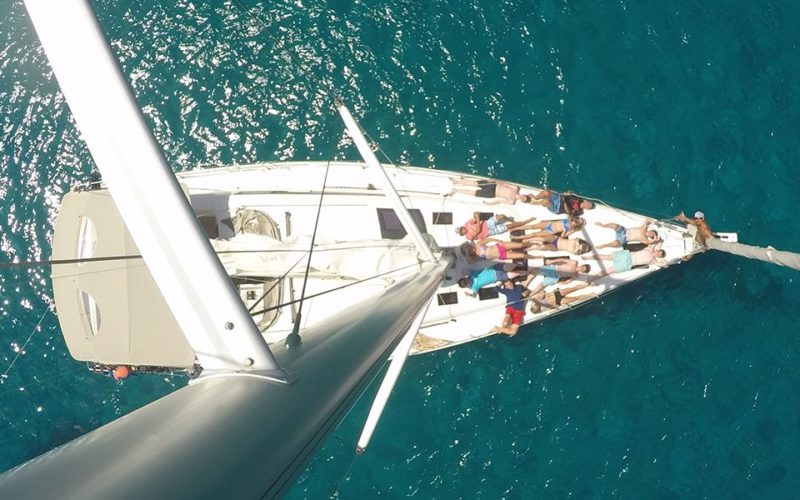
Knot shore about sailing? These terms can help
By: Fran Jackson, Broadreach HQ October 7, 2020 High School Adventures, Middle School, Sailing
Read More
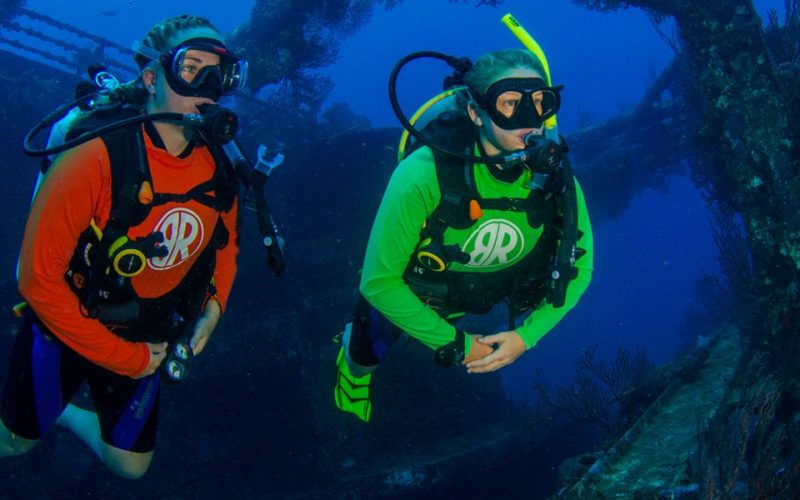
The Science of Scuba Diving
By: Claire Hughes and Patrick Brydon, PADI instructors + HQ staff September 24, 2020 High School Adventures, College, Parents, Scuba, Marine Biology
Read More
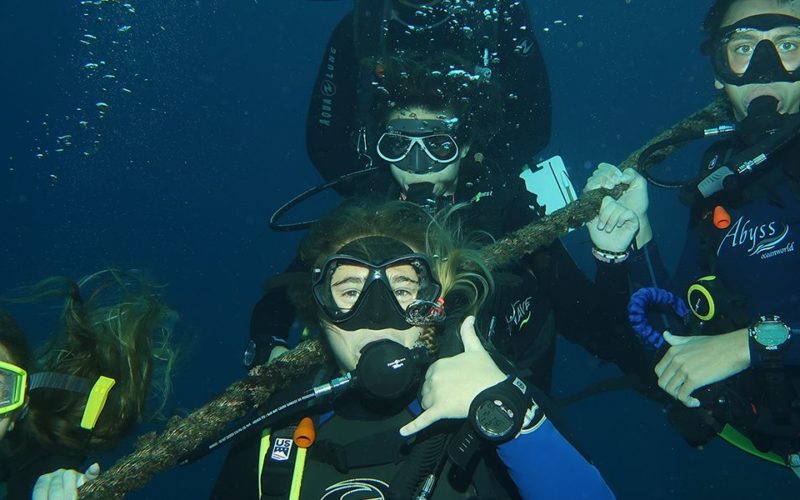
SCUBA acronyms: What you need to know
By: Claire Hughes, Broadreach Caribbean Director August 14, 2020 High School Adventures, Middle School, College, Scuba
Read More

Educational resources focused on nature and travel
By: Broadreach HQ March 17, 2020 High School Adventures, Middle School, College, Parents
Read More
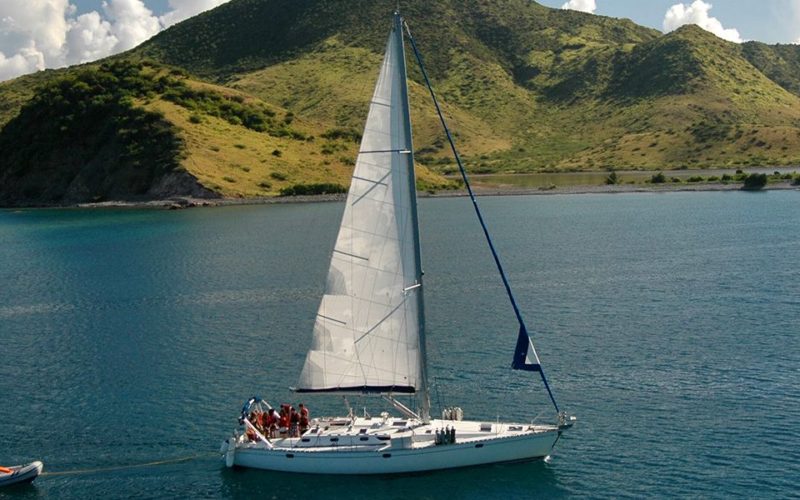
Living on a boat 101
By: Broadreach HQ March 2, 2020 High School Adventures, Middle School, College, Scuba, Sailing
Read More
The Evolution of Broadreach Programs
By: Broadreach HQ February 6, 2020 High School Adventures, Middle School, Parents, Scuba, Sailing, Marine Biology, Vet Medicine, Wildlife Conservation
Read More
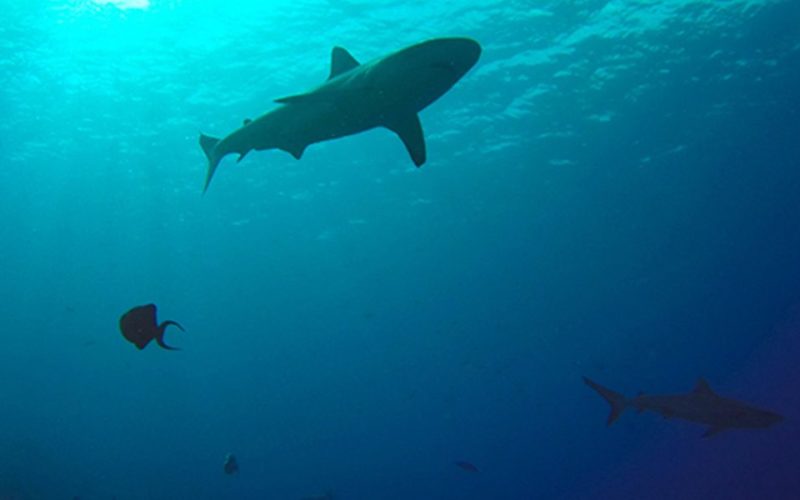
Entering the world of sharks
By: Claudia Villar, high school alumna January 28, 2020 High School Adventures, Marine Biology
Read More
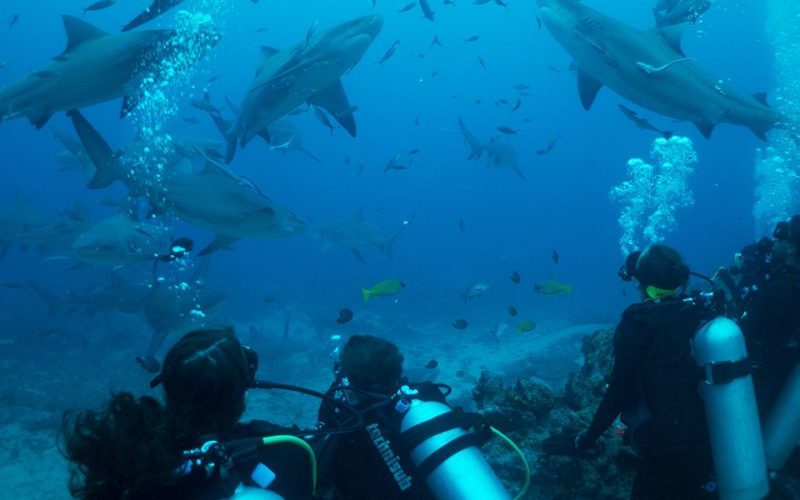
Sharks: Hypnotizing and misunderstood
By: Katie Howe, high school alumna January 28, 2020 High School Adventures, Marine Biology
Read More
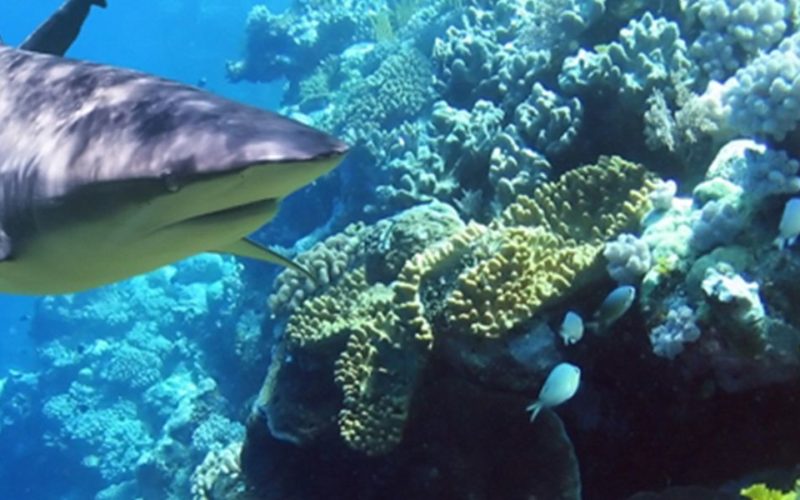
Searching for whale sharks
By: Gwynedd Arbury, high school alumna January 28, 2020 High School Adventures, Middle School, Wildlife Conservation
Read More
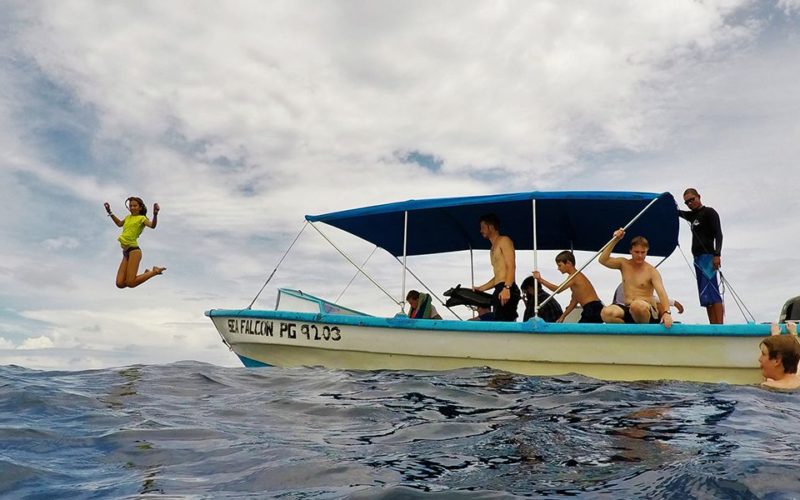
A journey of discovery
By: Merry Cherney, high school alumna January 28, 2020 High School Adventures, Marine Biology
Read More
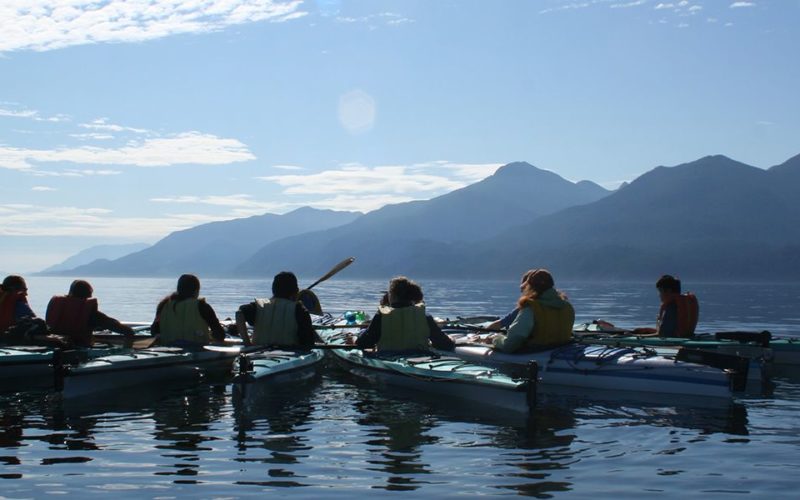
Finding my calling
By: Hannah Peck, high school alumna January 28, 2020 High School Adventures, Wildlife Conservation
Read More
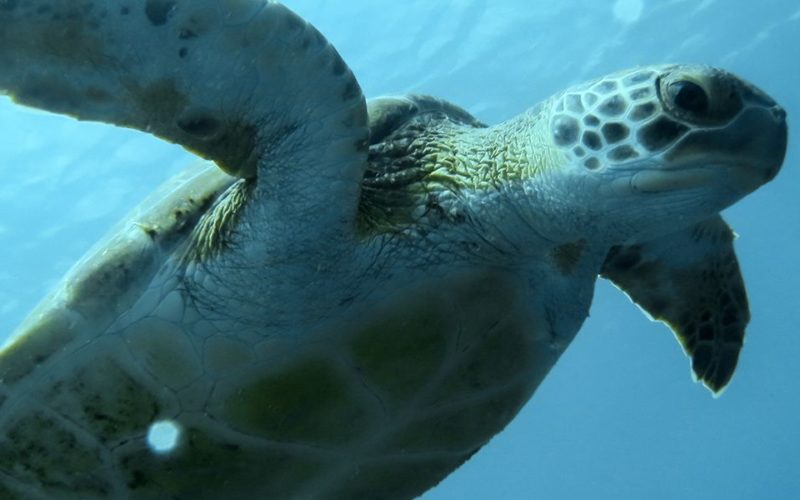
With all our might
By: Micaela Danko, high school alumna January 28, 2020 High School Adventures, Wildlife Conservation
Read More
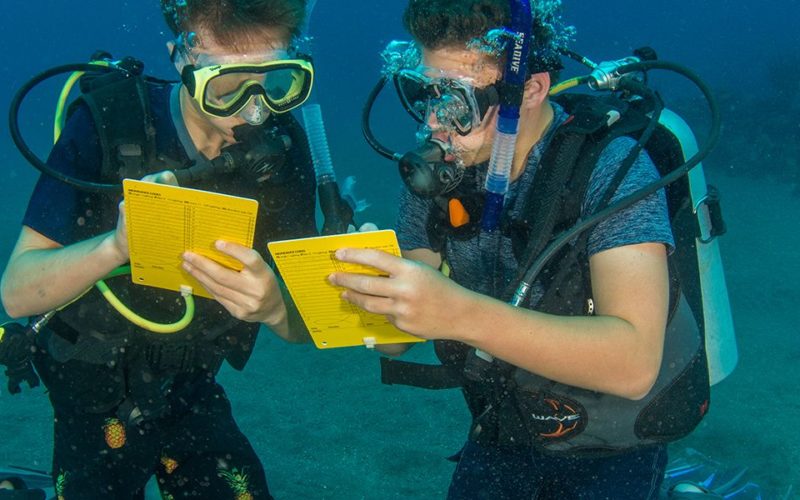
Gut instincts
By: Merrill Rudd, high school alumna January 28, 2020 High School Adventures, Middle School, Marine Biology
Read More
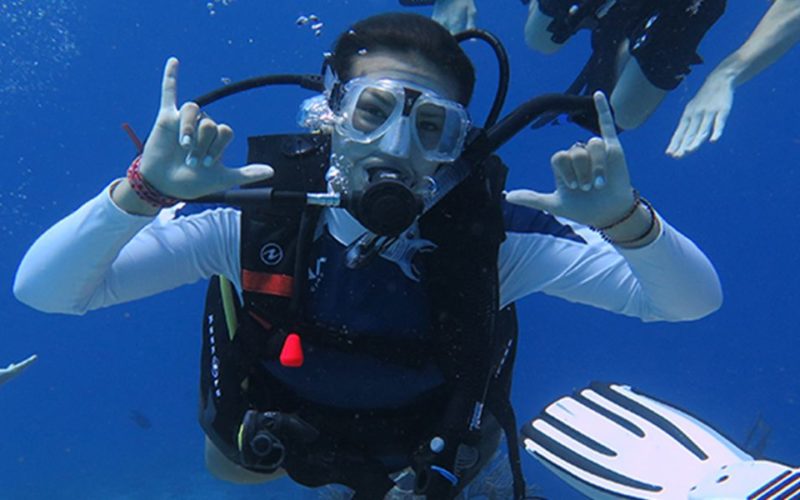
To climb to the highest peaks
By: Danika Kritter, high school alumna January 28, 2020 High School Adventures, Scuba
Read More
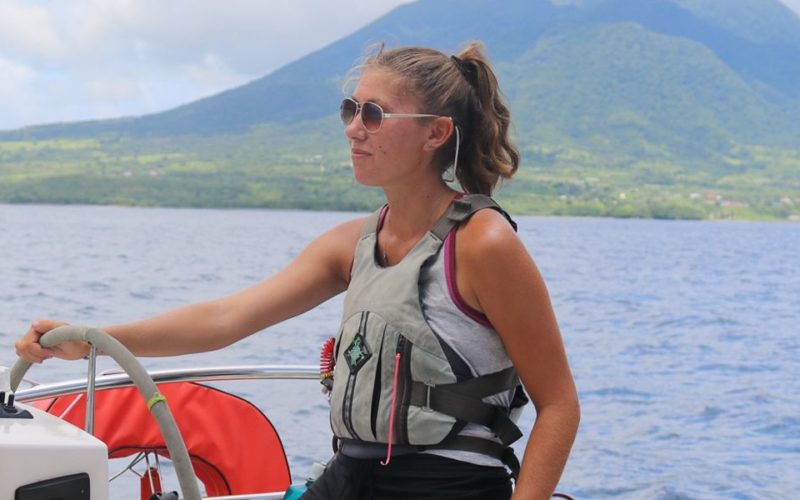
My major accomplishment
By: Jana Huebner, high school alumna January 28, 2020 High School Adventures, Middle School, Scuba, Sailing
Read More
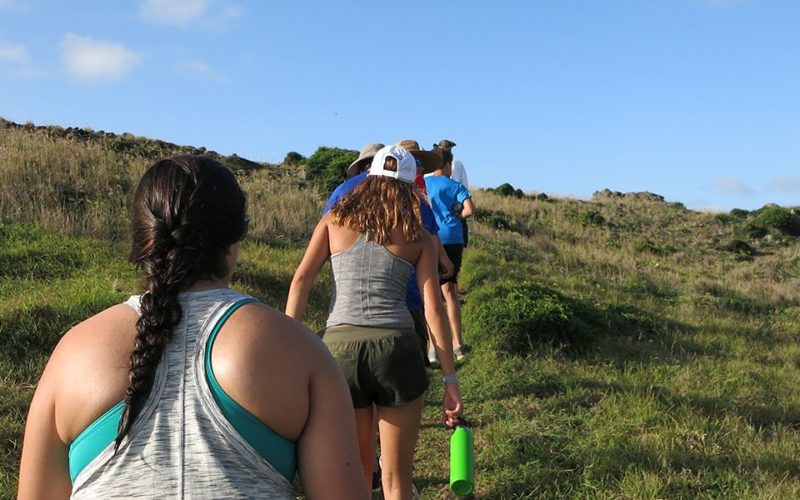
A spectacular view
By: Elizabeth Kerns, high school alumna January 28, 2020 High School Adventures, Middle School, Scuba, Sailing
Read More
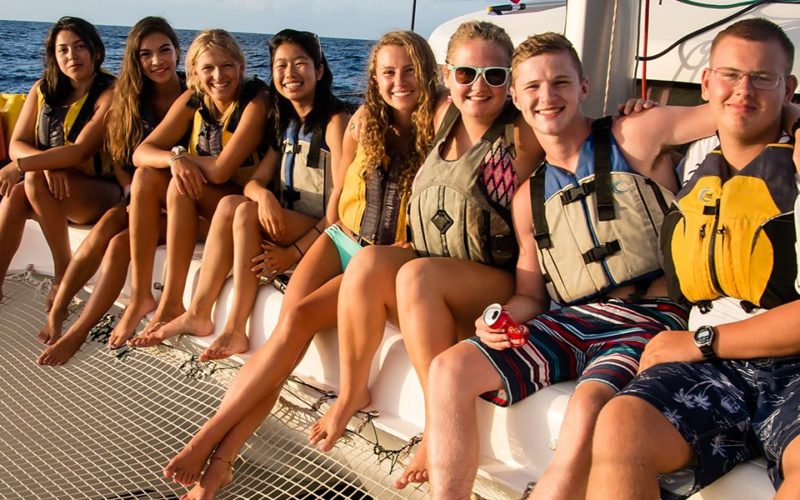
Nothing but stars and the ocean in sight
By: Hugo Uvegi, high school alumnus January 28, 2020 High School Adventures, Scuba, Sailing
Read More
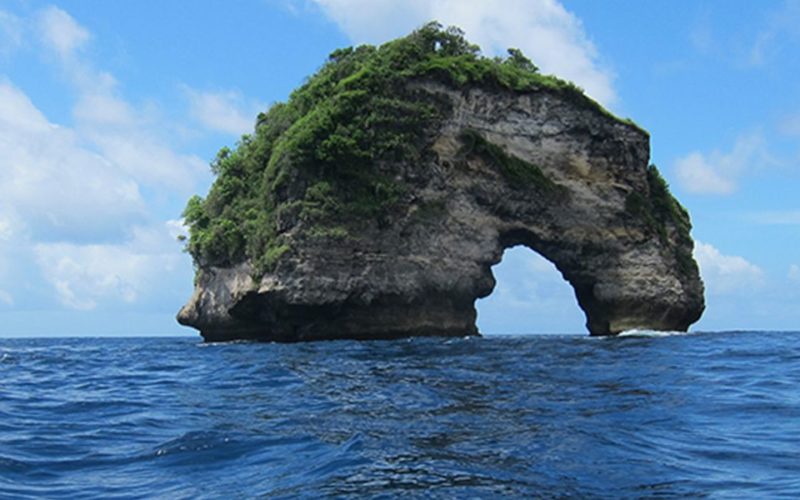
On saying goodbye
By: Leah Effron, high school alumna January 28, 2020 High School Adventures, Scuba, Sailing
Read More
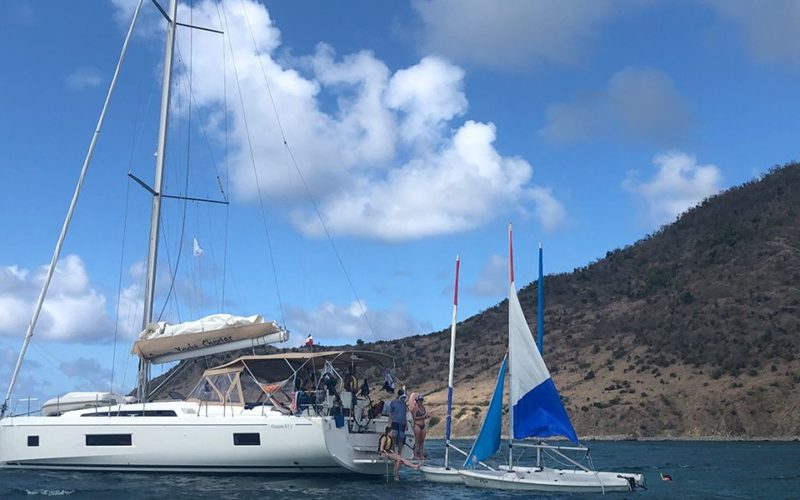
Sail fast, live slow
By: Leila Crawford, high school alumna January 28, 2020 High School Adventures, Scuba, Sailing
Read More
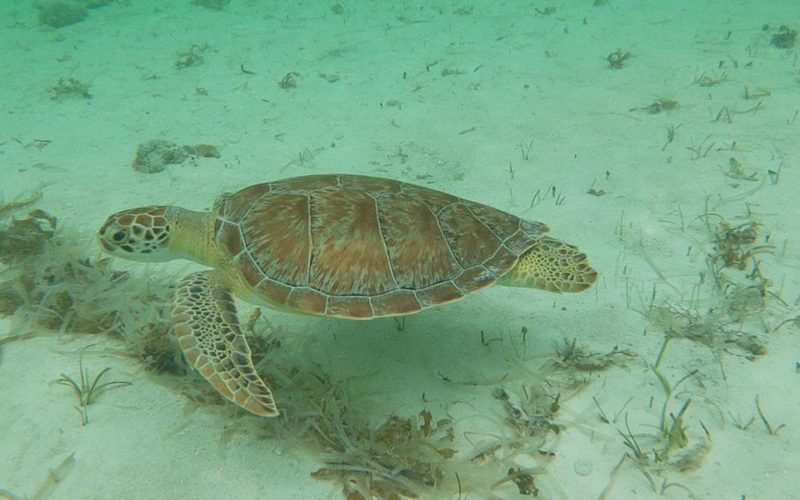
My biggest fear
By: Wynona Barbera, high school alumna January 28, 2020 High School Adventures, Middle School, Marine Biology, Wildlife Conservation
Read More
Love at first sight
By: Michele Heller, high school alumna January 28, 2020 High School Adventures, Scuba
Read More
The kind of happiness you get when watching a sunset
By: Jessica Ries, high school alumna January 28, 2020 High School Adventures, Wildlife Conservation
Read More
Warm memories from Eleuthera
By: Snehal Sangani, high school alumna January 28, 2020 High School Adventures, Marine Biology
Read More
22 wonderful days in Eleuthera
By: Kelsey Jacobsen, high school alumna January 28, 2020 High School Adventures, Marine Biology
Read More
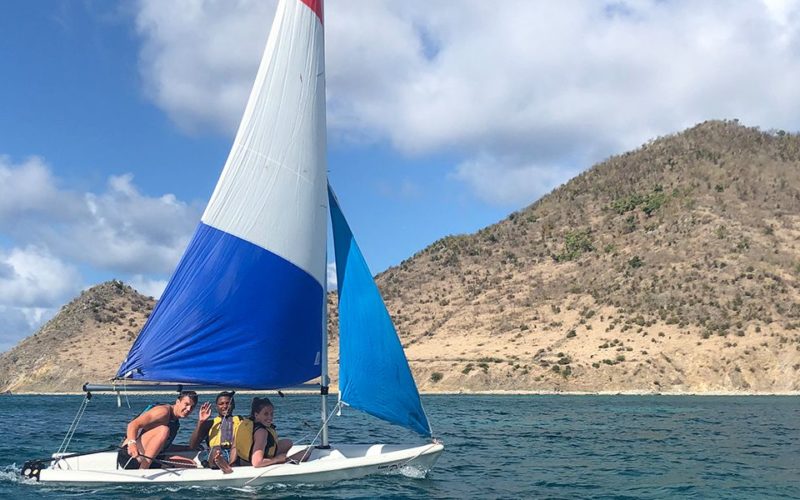
Underwater adventures
By: Shanon Richards, high school alumna January 28, 2020 High School Adventures, Scuba, Sailing
Read More
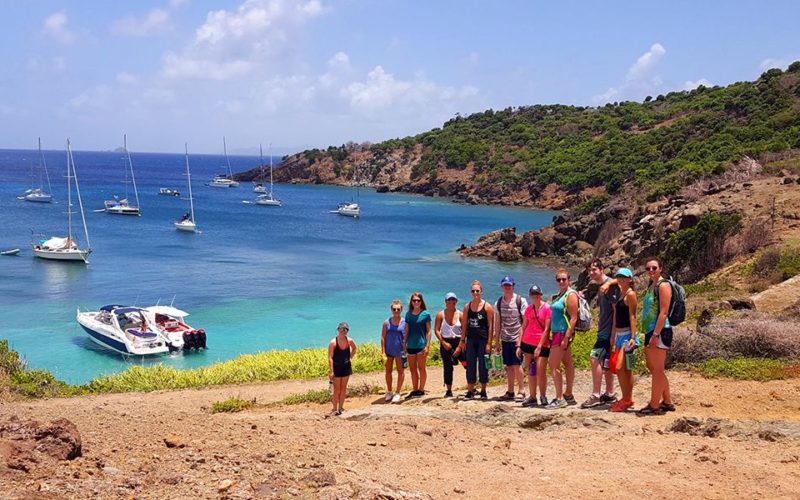
Creating enriching adventures for high school students
By: Kate Farthing January 27, 2020 High School Adventures, Parents
Read More
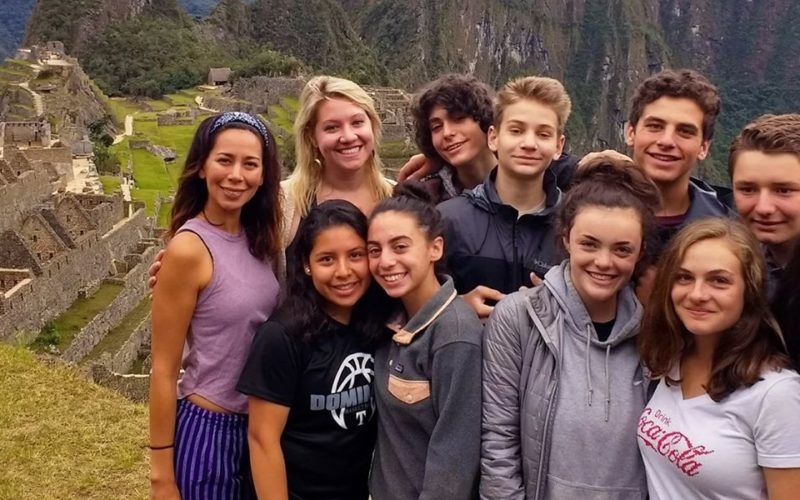
Designing summer programs specifically for middle schoolers
By: Kate Farthing, Director January 26, 2020 Middle School, Parents, Scuba, Sailing, Marine Biology, Vet Medicine, Wildlife Conservation
Read More
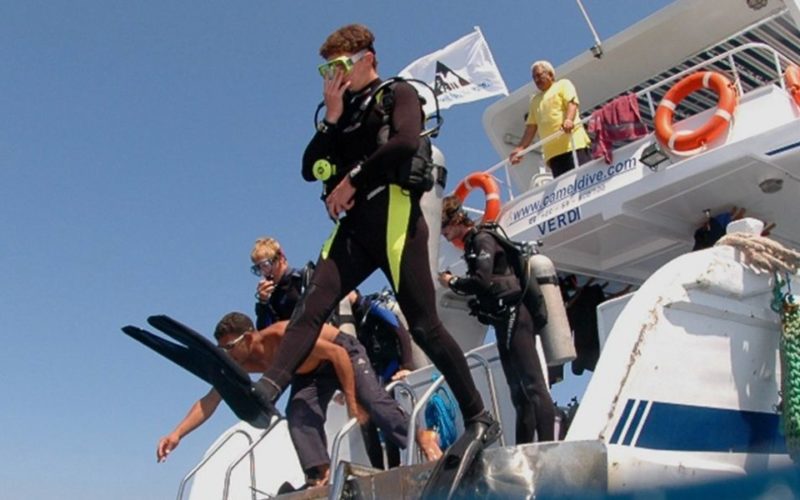
My experience in the Red Sea
By: Florence Bienvenu, high school alumna January 24, 2020 High School Adventures, Scuba
Read More
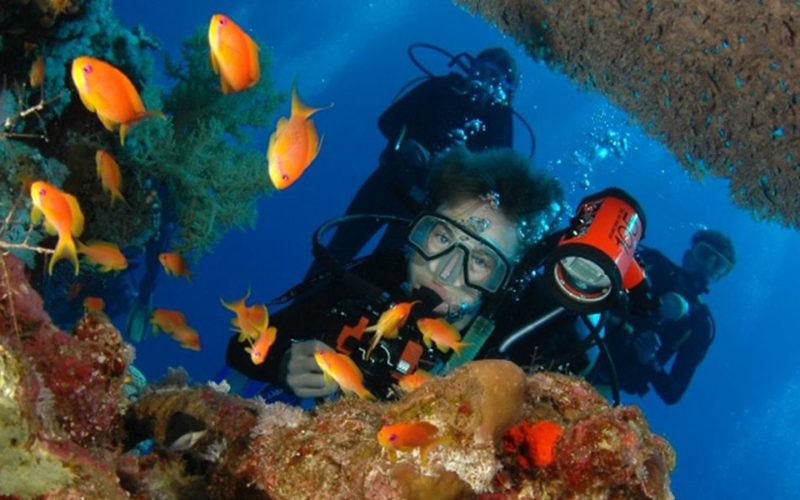
Scuba diving in the Red Sea
By: Daphne Williams, high school alumna January 24, 2020 High School Adventures, Scuba
Read More
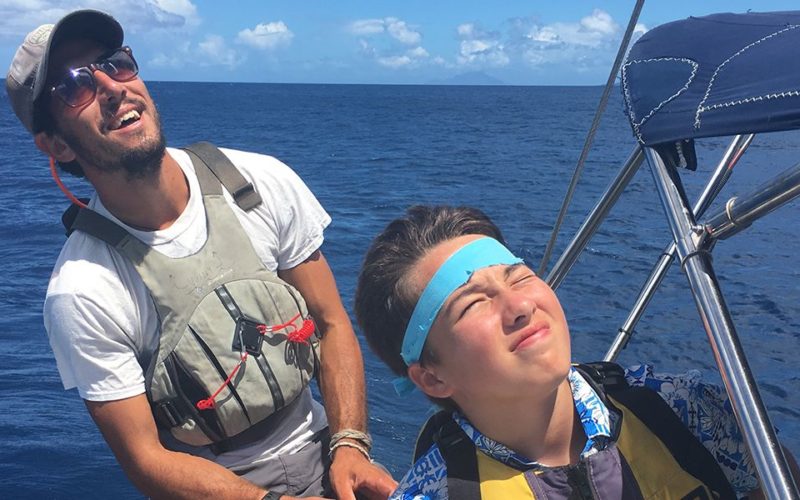
Risk management through summer leaders
By: Emily Tysinger, hiring coordinator January 24, 2020 High School Adventures, Middle School, College, Parents
Read More
Growing leadership skills and confidence through adventure
By: Broadreach HQ January 24, 2020 High School Adventures, Middle School, Parents, Scuba, Sailing, Marine Biology
Read More
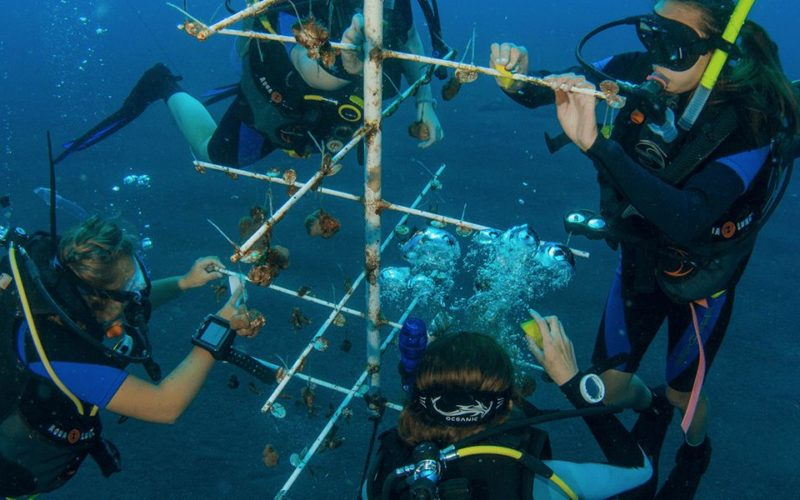
Building confidence in new, challenging surroundings
By: Kevin & Maureen Gray, Broadreach parents January 24, 2020 High School Adventures, Parents, Scuba, Marine Biology
Read More
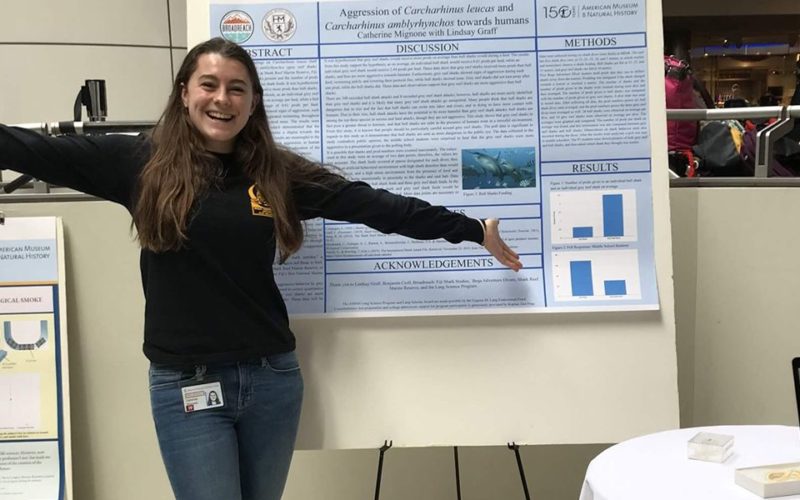
Expanding a passion for marine biology
By: Catherine Mignone, high school alumna January 24, 2020 High School Adventures, Marine Biology
Read More
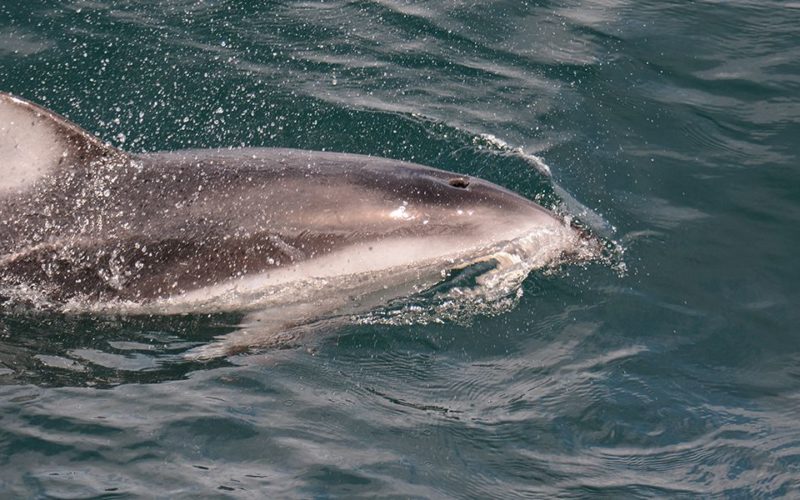
What’s the biggest threat to marine life?
By: Broadreach HQ January 24, 2020 High School Adventures, Middle School, Scuba, Marine Biology, Wildlife Conservation
Read More
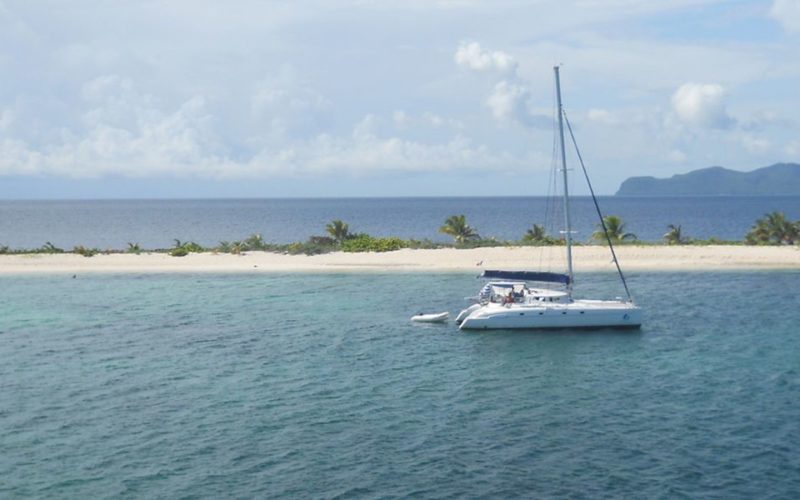
Guide to the Caribbean Leeward Islands
By: Ted Barrett, Broadreach instructor January 24, 2020 High School Adventures, Middle School, Scuba, Sailing
Read More
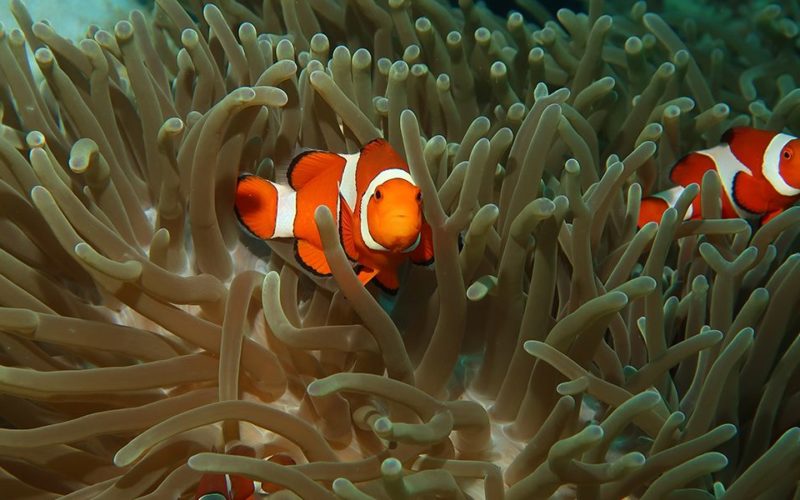
Awesome fish and where to find them
By: Patrick Brydon, Broadreach HQ January 24, 2020 High School Adventures, Middle School, Scuba, Marine Biology
Read More
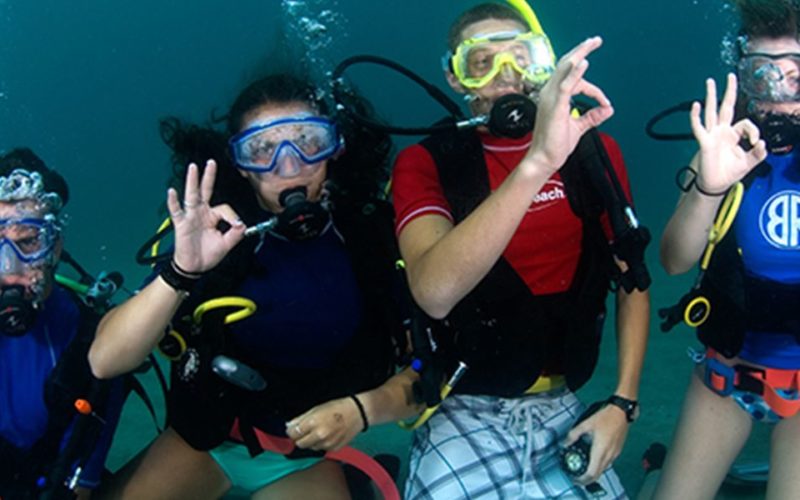
5 tips for being a better diver
By: Hannah Tannenbaum, PADI scuba instructor January 24, 2020 High School Adventures, Middle School, Scuba, Marine Biology
Read More
Interested in traveling abroad? Tips to help you prepare.
By: Kate Riley, Broadreach HQ January 24, 2020 High School Adventures, Middle School
Read More
Managing risk through participant engagement
By: Kate Farthing, Director January 24, 2020 High School Adventures, Middle School, College, Parents
Read More
A Bahamian Fourth of July
By: Sarah Donelan, high school alumna January 23, 2020 High School Adventures, Marine Biology, Wildlife Conservation
Read More
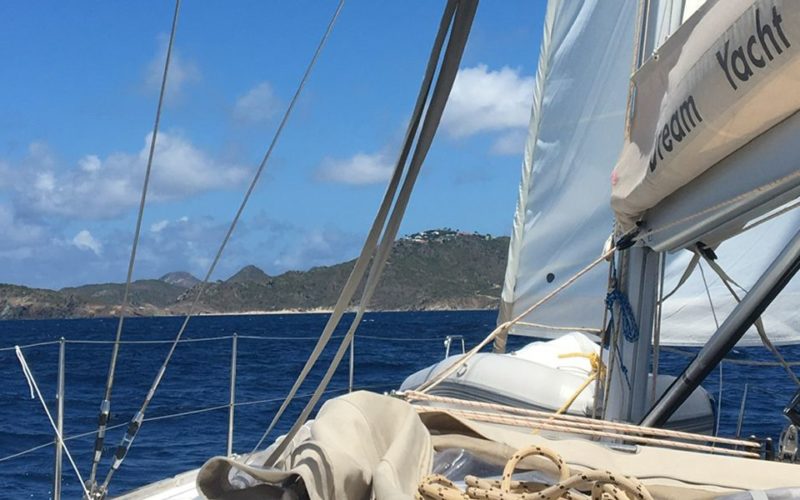
Days on Antigone
By: Kelly Moran, high school alumna January 23, 2020 High School Adventures, Scuba, Sailing
Read More
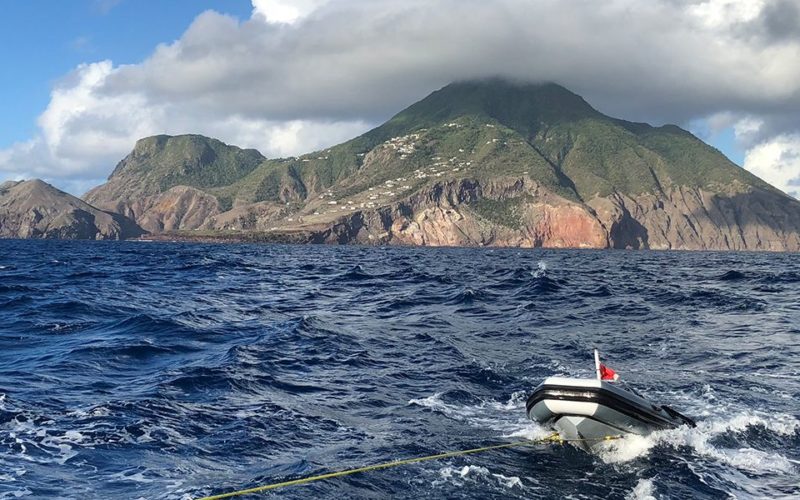
There’s nothing like the Caribbean
By: Jordan Silidker, high school alumnus January 23, 2020 High School Adventures, Scuba, Sailing
Read More
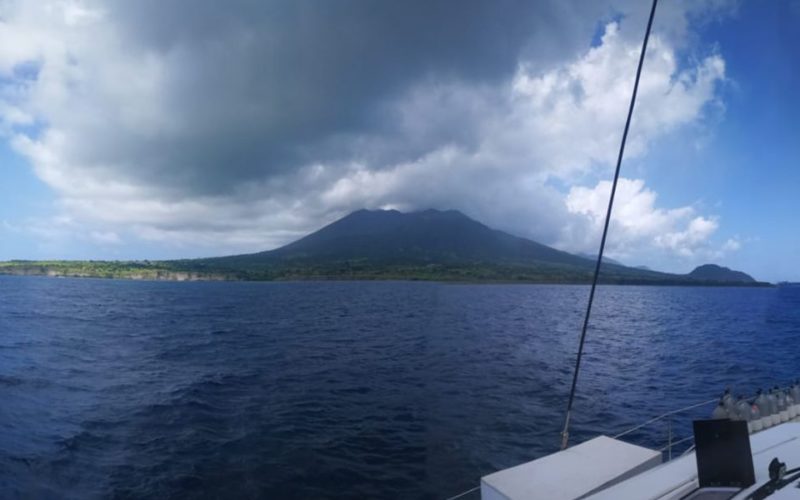
Looking back on Baja
By: Alisha Kramer, high school alumna January 23, 2020 High School Adventures, Scuba, Sailing
Read More
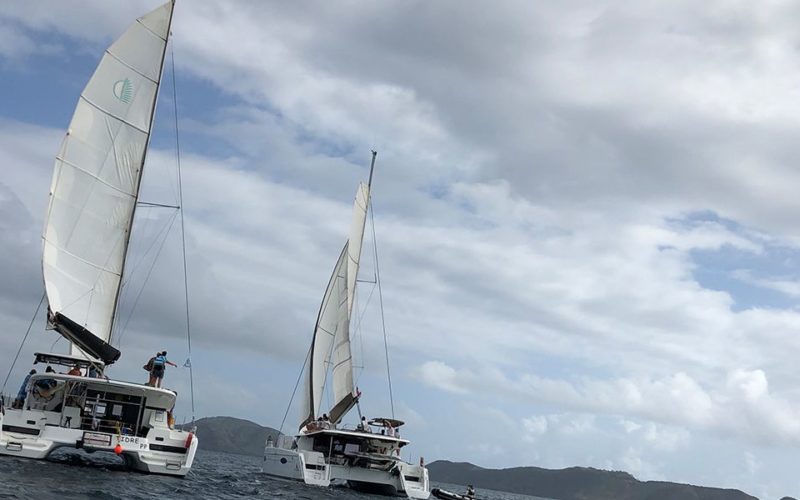
Experience of a lifetime
By: Alex Aines, high school alumna January 23, 2020 High School Adventures, Scuba, Sailing
Read More
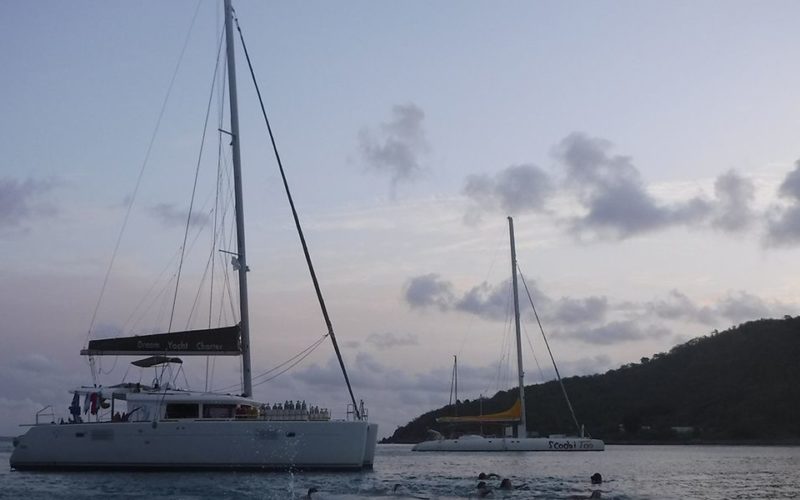
Appreciation for an incredible experience
By: Kate Matheis, high school alumna January 23, 2020 High School Adventures, Scuba, Sailing
Read More
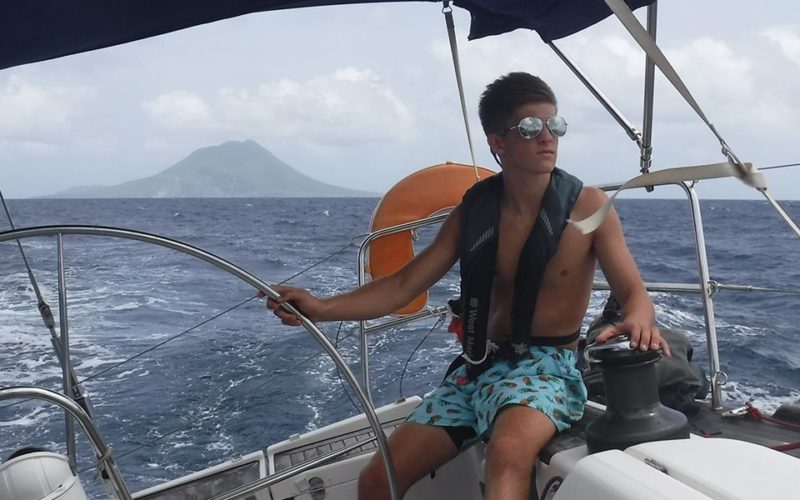
My personal odyssey through the Lower Antilles
By: Brendan Szulik, high school alumnus January 23, 2020 High School Adventures, Scuba, Sailing
Read More
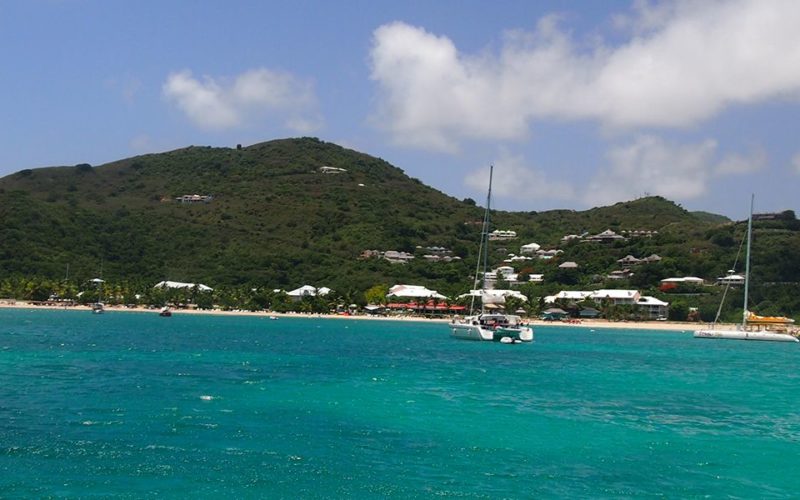
One of the most memorable times of my life
By: Joonwon Choi, high school alumnus January 23, 2020 High School Adventures, Scuba, Sailing
Read More
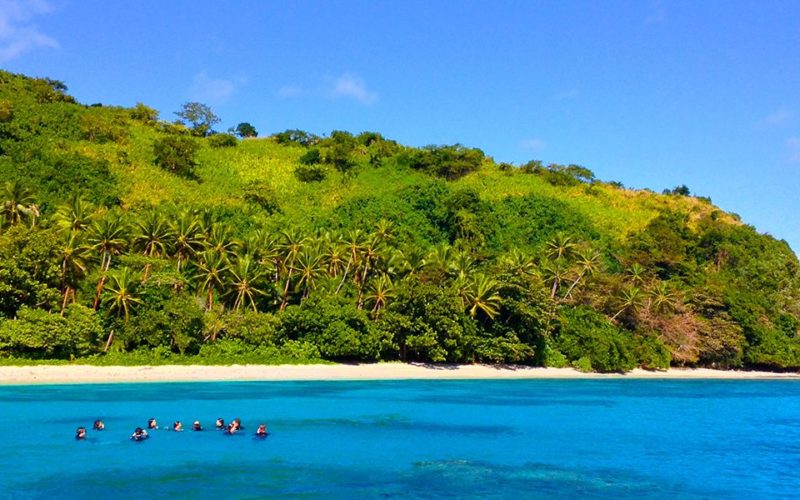
Memories of Fiji and the Solomons
By: Mariah Arnold, high school alumna January 23, 2020 High School Adventures, Scuba, Marine Biology
Read More
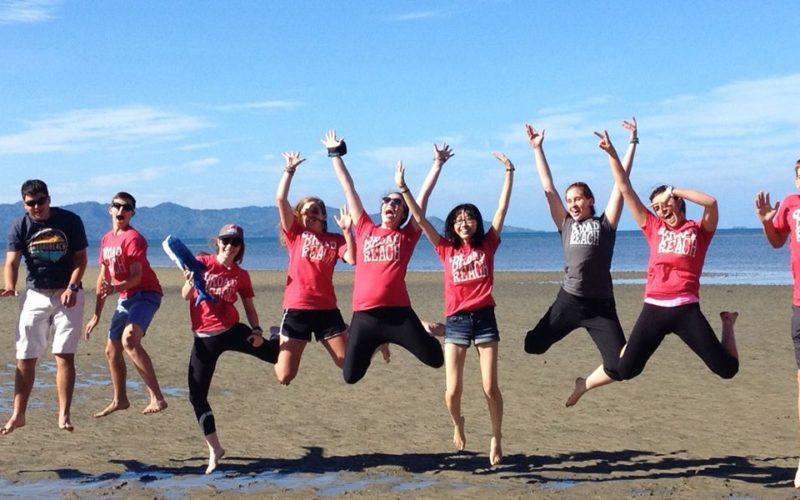
I was family
By: Kimberly Oparil, high school alumna January 23, 2020 High School Adventures, Scuba, Marine Biology
Read More
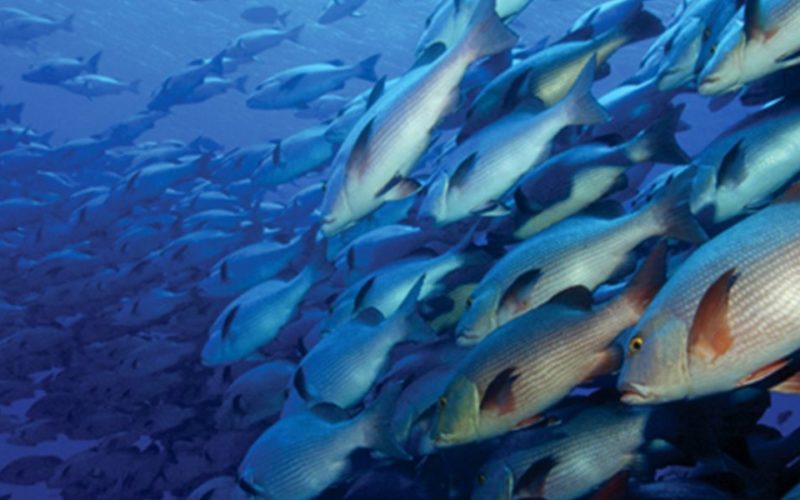
Dark water
By: Jake Minevitz, high school alumnus January 23, 2020 High School Adventures, Scuba, Sailing
Read More

Experience through Egypt
By: Daniel Deisley, high school alumnus January 23, 2020 High School Adventures, Scuba, Sailing
Read More
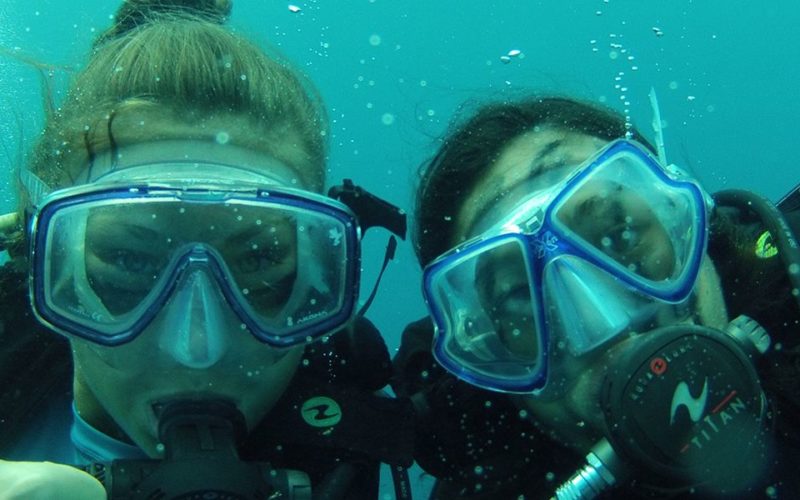
Going away and coming back changed
By: Sydney Baker, high school alumna January 23, 2020 High School Adventures, Scuba, Sailing
Read More
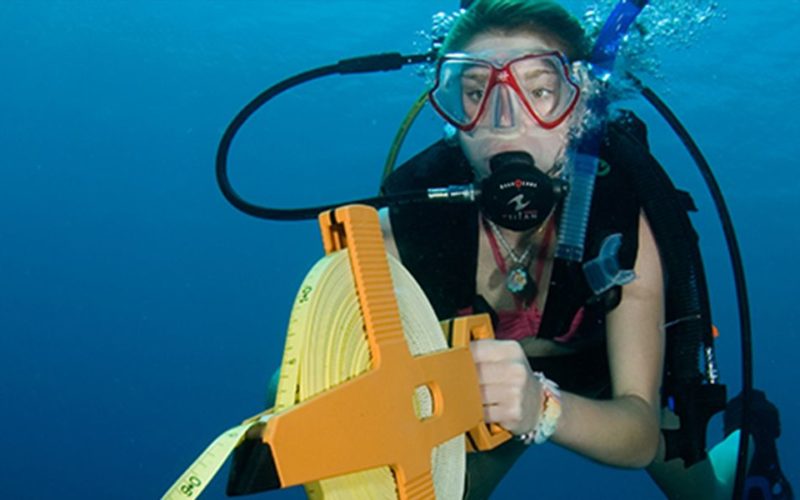
Learning through hands-on, immersive experiences
By: Broadreach HQ January 23, 2020 High School Adventures, Middle School, College, Parents, Scuba, Sailing, Marine Biology, Vet Medicine, Wildlife Conservation
Read More
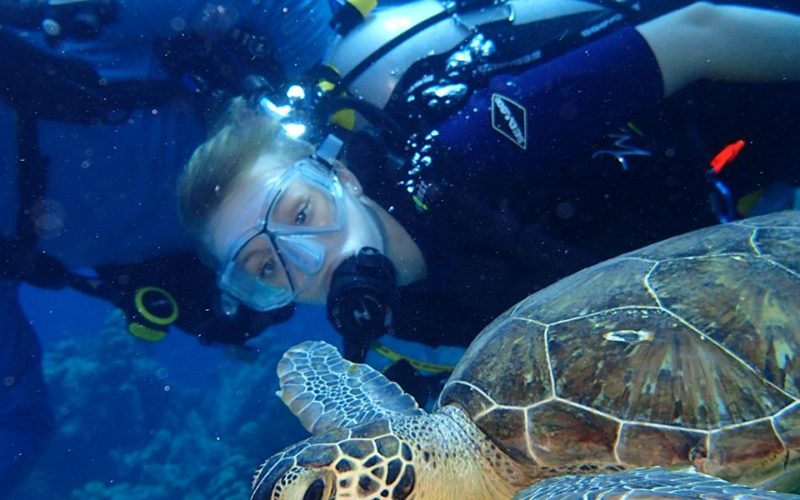
Discovering the world under water
By: Rosie Bailey, Broadreach high school alumna January 23, 2020 High School Adventures, Middle School, Scuba, Marine Biology
Read More
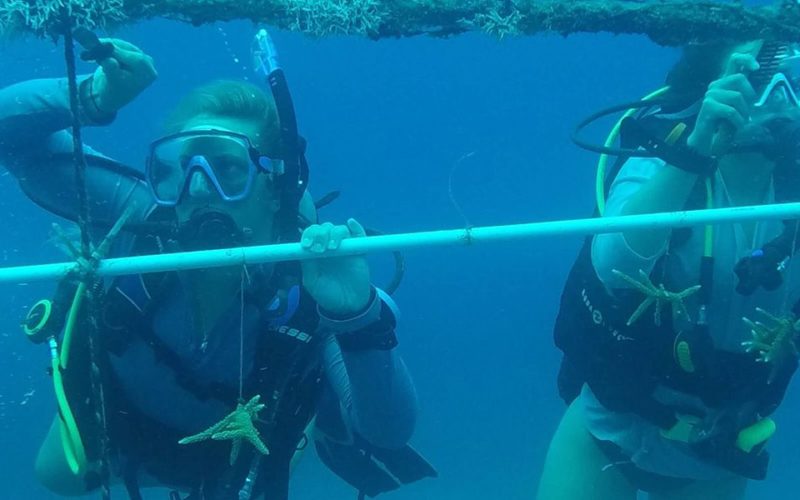
A summer of sailing, scuba and science
By: Julia Westwood, high school student and marine biology program alumna January 23, 2020 High School Adventures, Scuba, Marine Biology
Read More
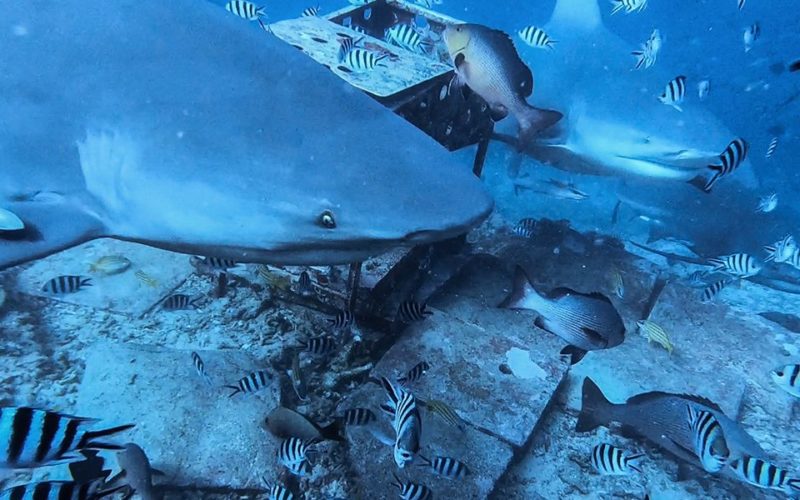
Be afraid for sharks, not of them
By: Lindsay Graff, Shark Biologist and Broadreach Instructor January 23, 2020 High School Adventures, College, Scuba, Marine Biology
Read More
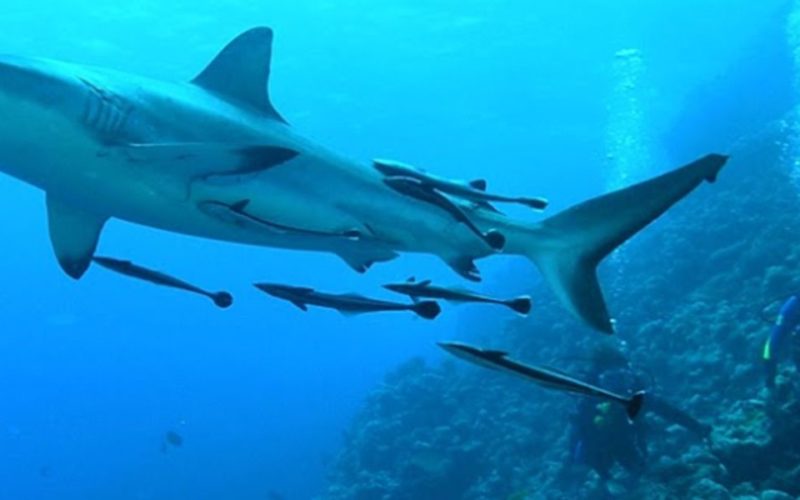
Diving with sharks
By: Garnett Swain, former Broadreach student and current HQ staff member January 23, 2020 High School Adventures, College, Scuba, Marine Biology
Read More
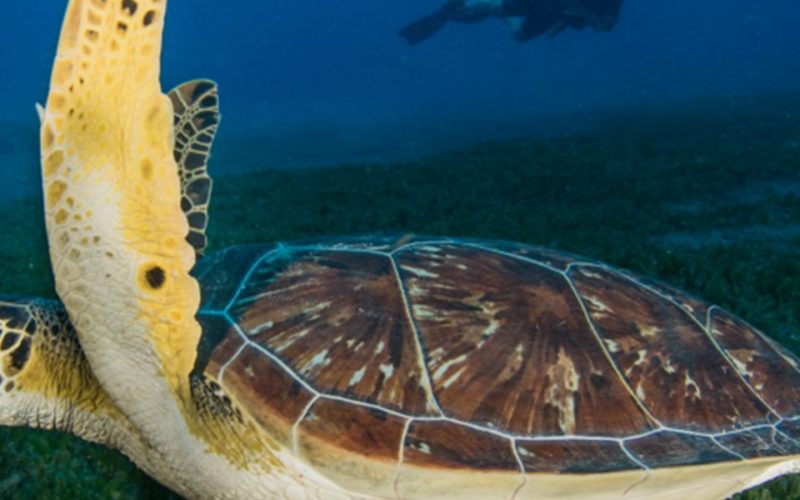
Siblings share details of Broadreach summer program abroad experience
By: Broadreach HQ July 24, 2019 High School Adventures, Parents, Marine Biology
Read More
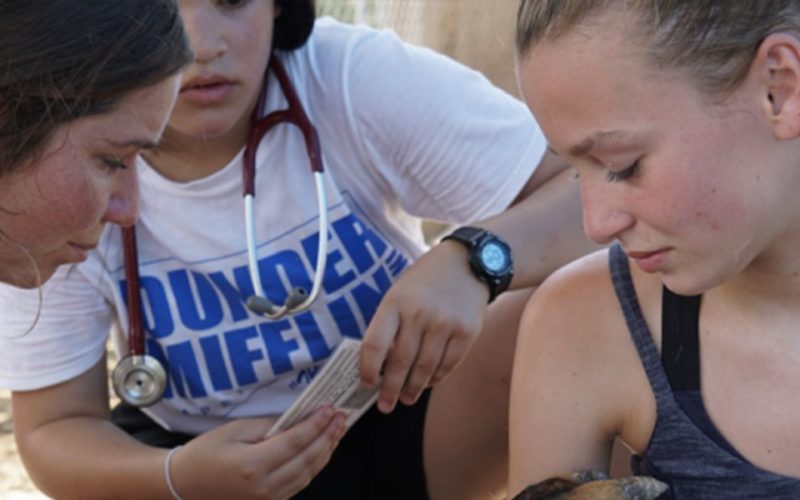
Ardastra impacts U.S. teens through Broadreach
By: Broadreach HQ June 27, 2019 High School Adventures, Middle School, Parents, Vet Medicine
Read More
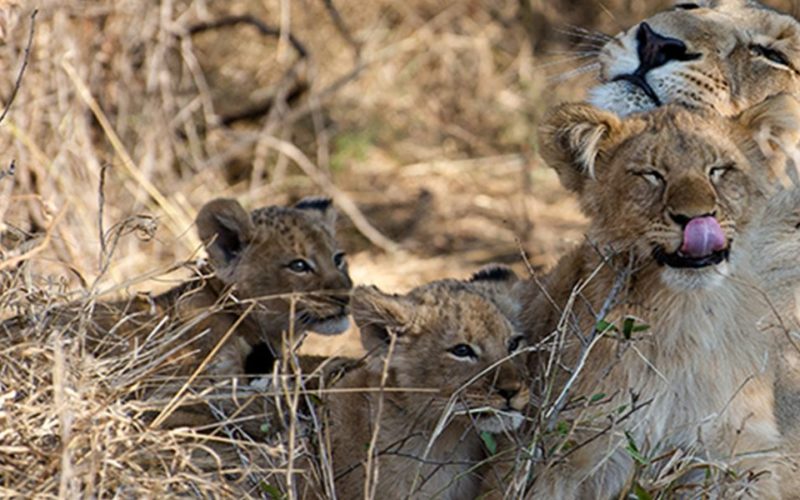
Wildlife tourism: Good or bad?
By: Joe Fader, Broadreach instructor May 23, 2019 High School Adventures, Wildlife Conservation
Read More