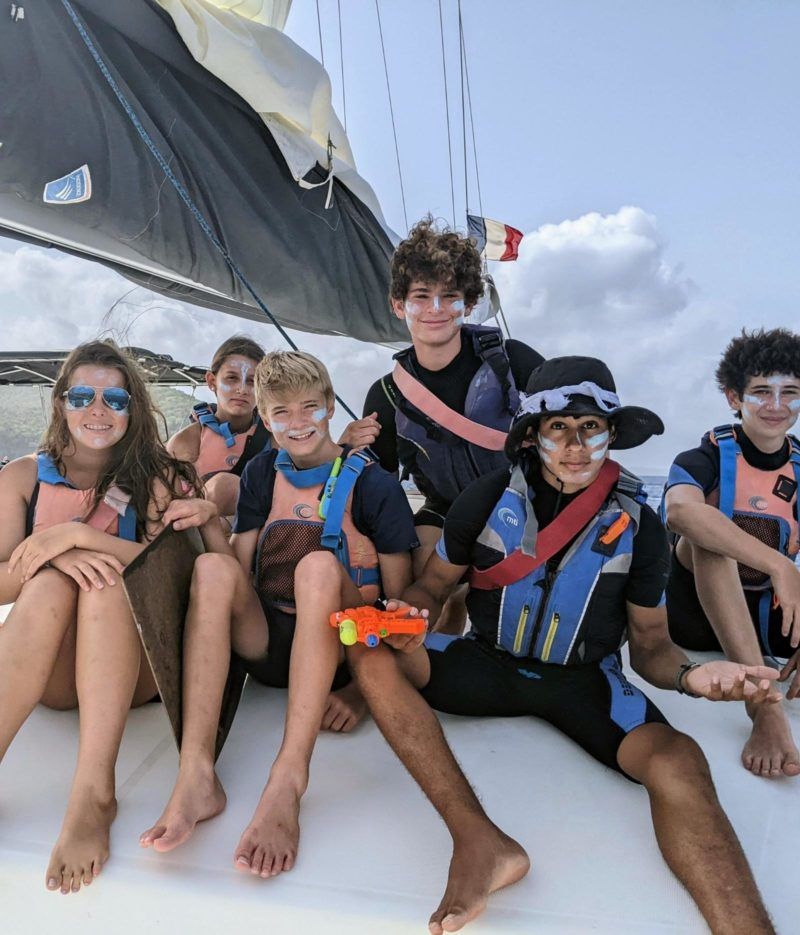
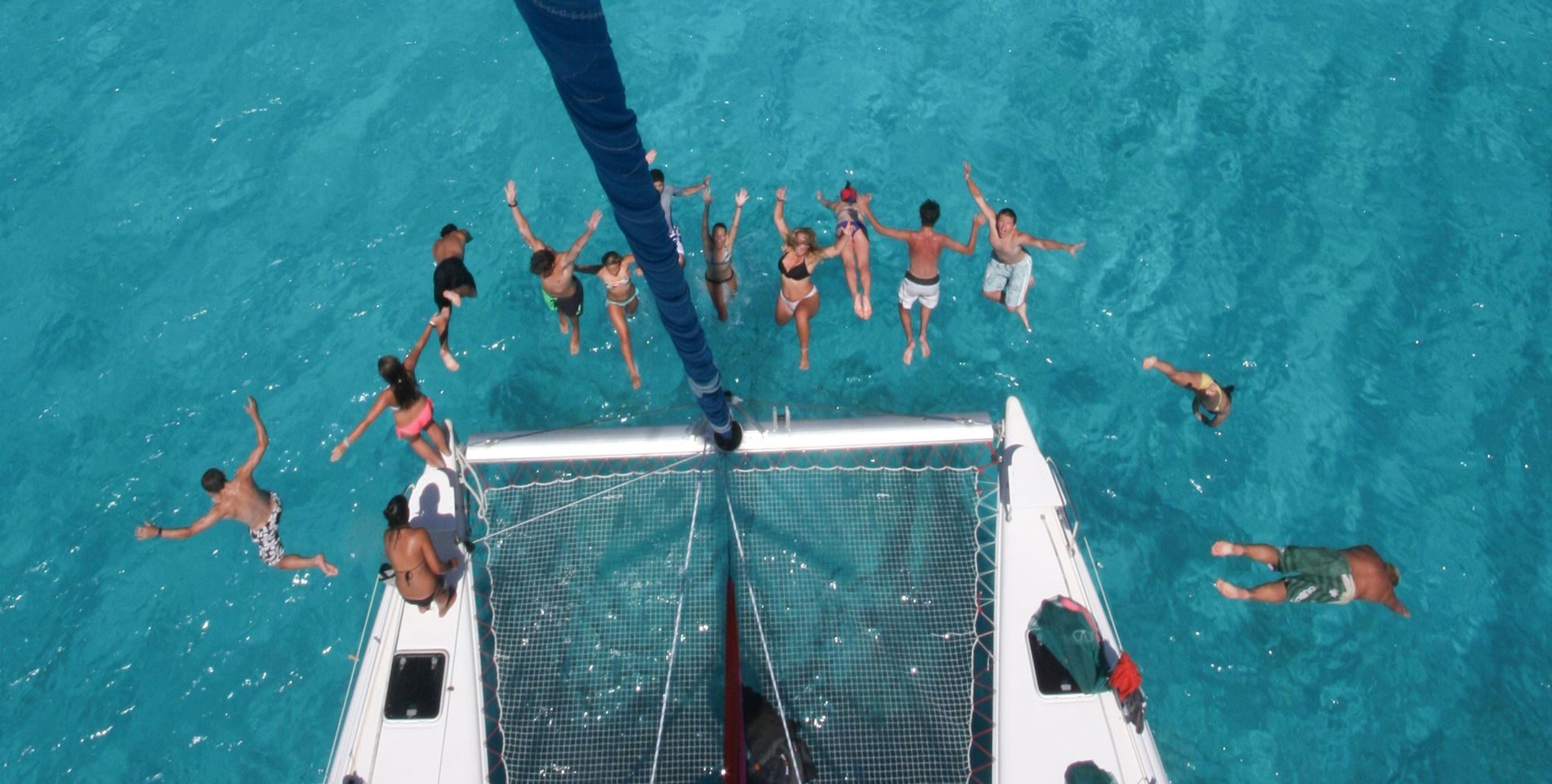
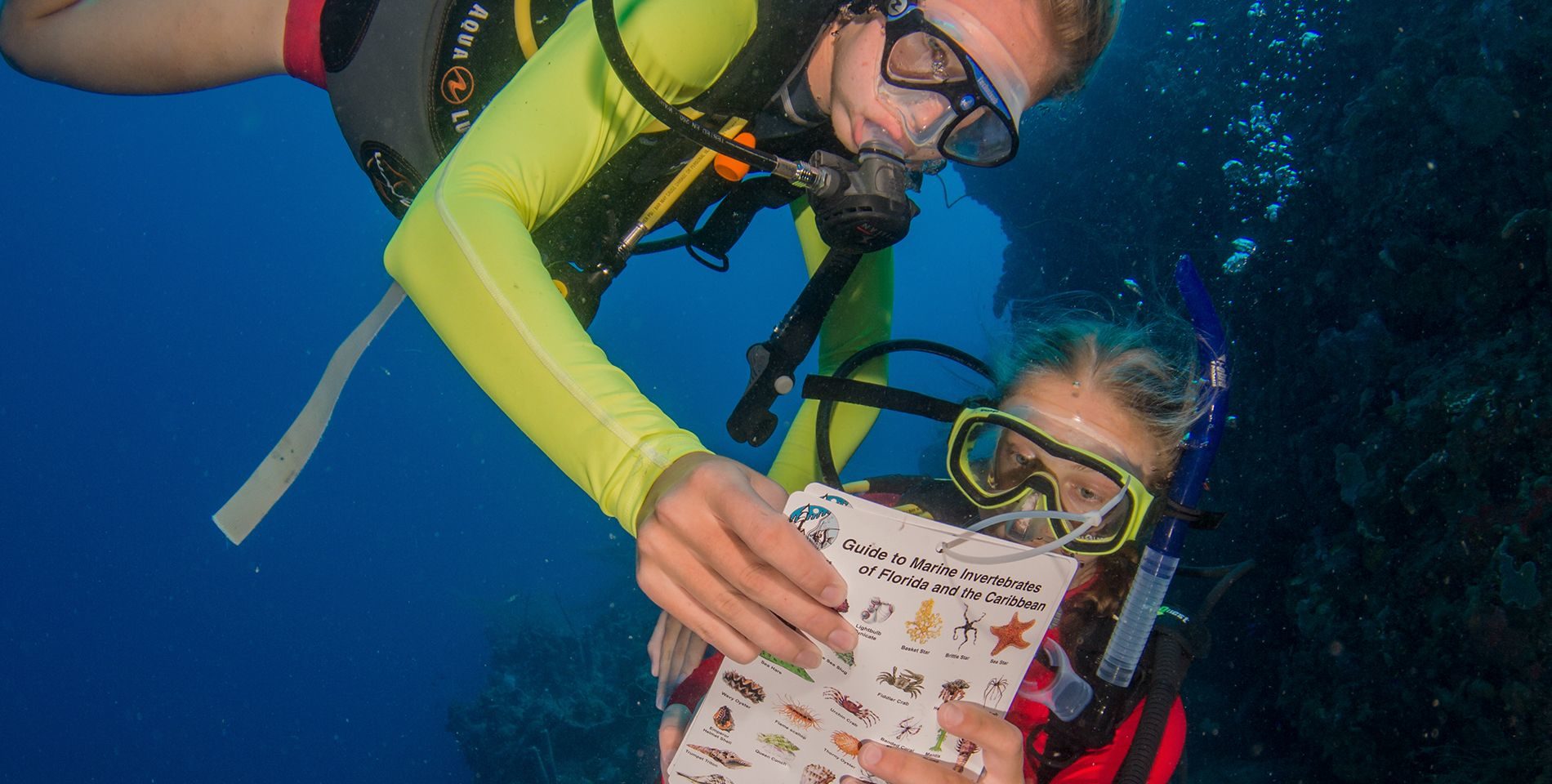
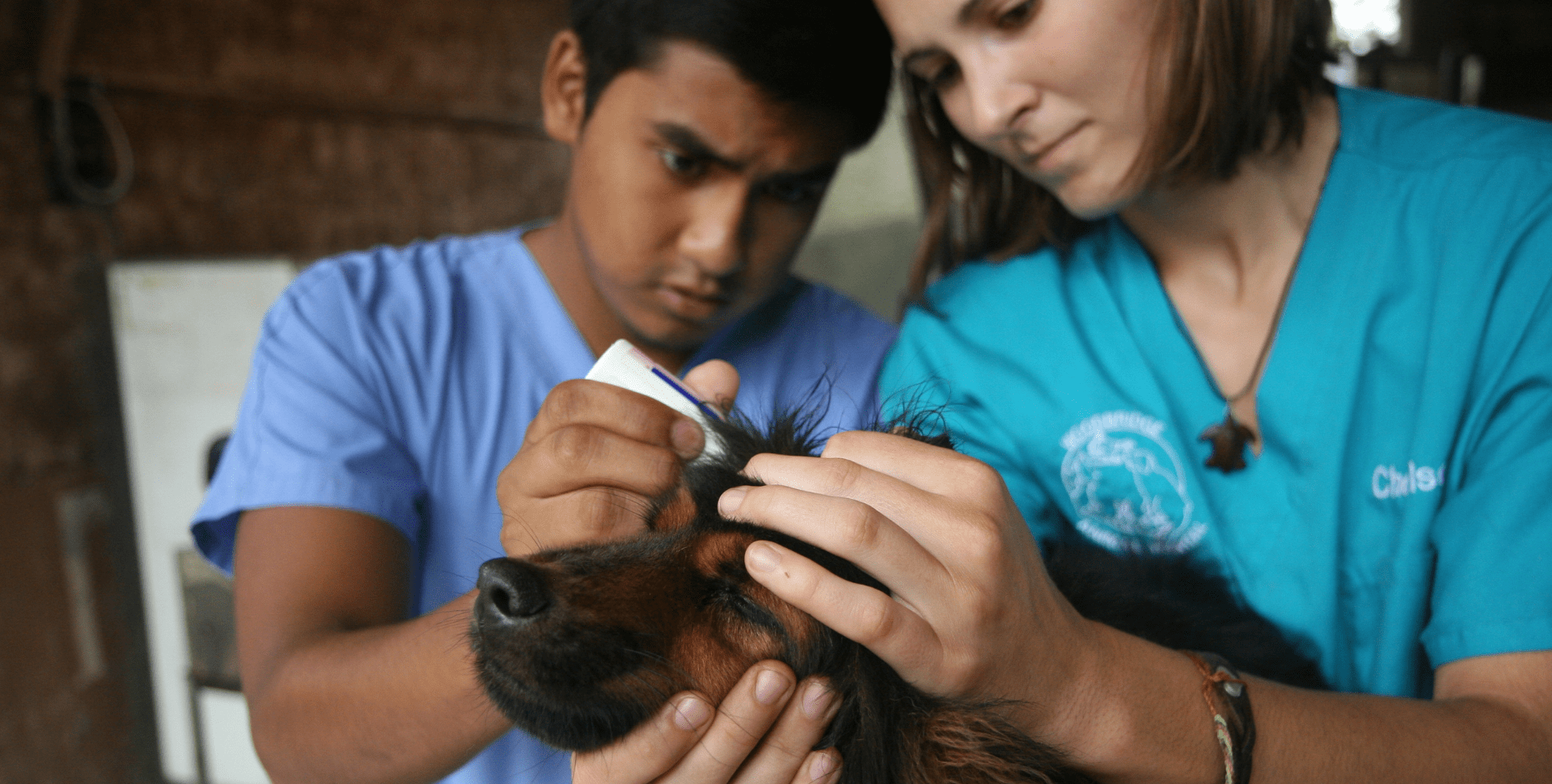
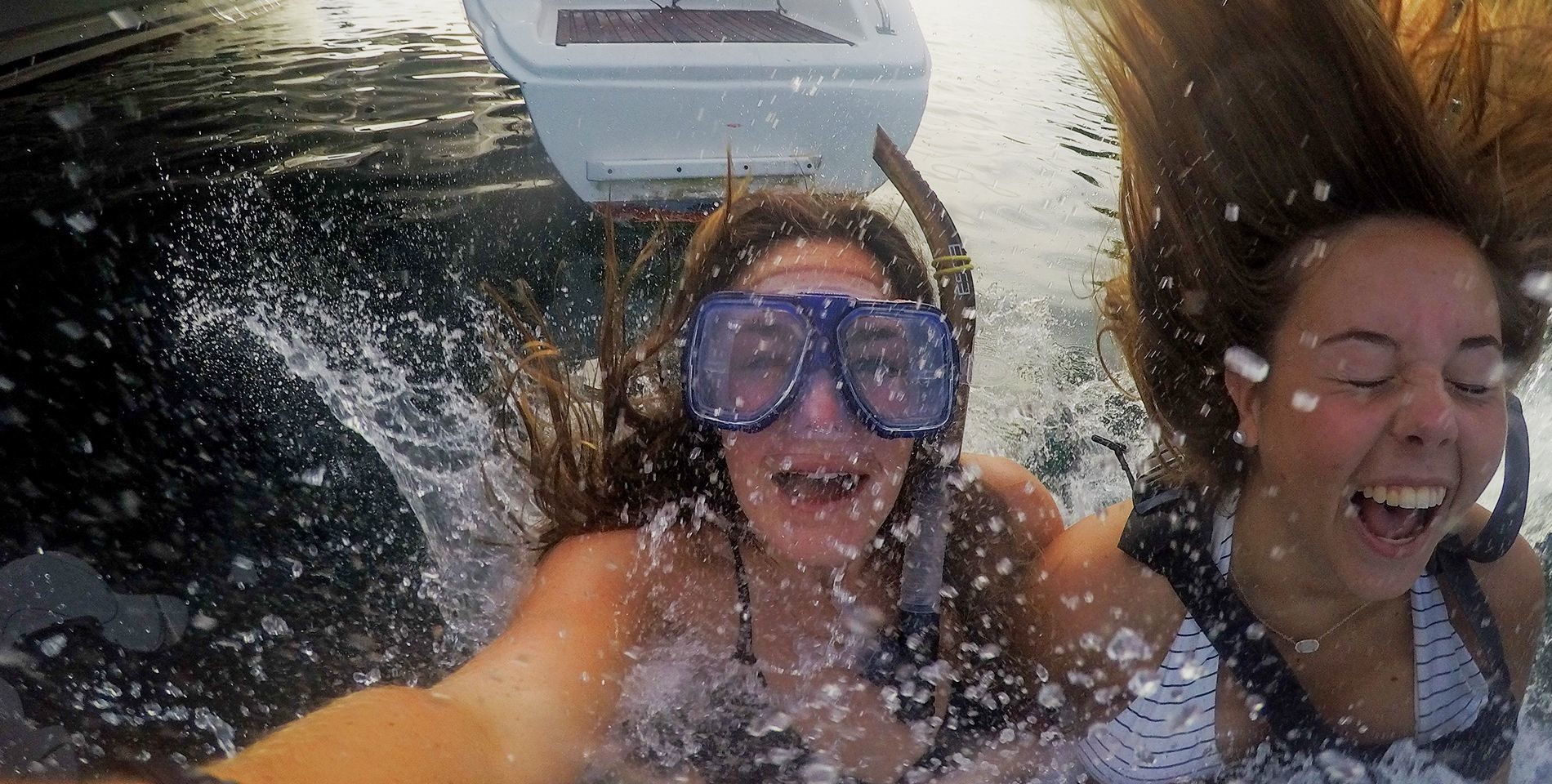
Broadreach offers Teen Summer Adventure Camps, including Middle School Summer Programs abroad, High School Summer Programs abroad, and College Professional Dive Summer Programs. We specialize in hands-on summer programs with a focus on scuba diving, sailing, marine biology, veterinary medicine, and field biology/wildlife conservation. Within each focus area, Broadreach offers a wide variety of program offerings for students of every level, from introductory beginner courses to more advanced or specialized adventures, like our sea turtle camps or shark biology camps.
Since 1993, Broadreach has offered adventure programs for middle school students and high school students, as well as summer professional dive programs for college students. They have taken thousands of students on a wide variety of adventures in over 40 countries including the islands of the Caribbean, Costa Rica, Curacao, Bonaire, Fiji, Bali, Ecuador, and the Bahamas. Broadreach also partners with schools to offer custom educational adventure programs.
Broadreach’s adventure travel summer camps for teens offer more exploration, learning and discovery than traditional teen tours or traditional teen summer camps. Our teen tours include Caribbean summer camps, scuba diving summer camps and sailing summer camps, on all of which students earn multiple certifications and community service hours. Broadreach’s academic summer camps all qualify for college credit and include marine biology summer camps as well as a variety of veterinary medicine camps and wildlife conservation outdoor adventure camps worldwide.
Broadreach’s summer adventures for teens combine the finest elements of experiential learning and service-learning with international travel and cultural exchange to create extraordinary expeditions. This is how we challenge our students to broaden their perspectives through new experiences and environments, inspire them to discover and explore their passions, and empower them to take charge of their futures.